
 comparison
Design-Build vs Traditional Construction: Key Differences
Table of Contents
- What Is Design-Build Construction?
- What Is Traditional Construction (Design-Bid-Build)?
- Design-Build vs Traditional Construction: Process and Timeline Comparison
- Managing Architect and Contractor Relationships in Each Model
- Cost Control, Budget Transparency, and Change Order Management
- Which Method Works Best for Your Project?
- Frequently Asked Questions
Last Updated: September 25, 2026
What Is Design-Build Construction?
Design-build is a project delivery method where a single entity, the design-build firm, contracts with the project owner to provide both design and construction services. This unified approach means the architect, engineers, and general contractor work as one team from the project's inception through completion.
The design-build model prioritizes collaboration, reducing finger-pointing and accelerating decision-making because the construction team can weigh in during the design phase.
Design-build compresses the timeline and reduces coordination friction, meaning faster occupancy and fewer surprises mid-project.
What Is Traditional Construction (Design-Bid-Build)?
Traditional construction, also called design-bid-build, separates design from construction. The owner hires an architect to complete design documents, then those documents go to competitive bidding among general contractors.
This sequential process creates clear contractual boundaries: the architect designs, contractors bid, the owner selects based on price and qualifications, and construction follows the completed plans.
Design-bid-build has governed commercial and public projects for decades because it emphasizes price competition and design independence.
This process works well when the design is complete and the owner knows exactly what they want before construction starts. Once construction begins, changes become expensive because they require design modifications and contract amendments.
Design-Build vs Traditional Construction: Process and Timeline Comparison
The fundamental difference between design-build vs traditional construction lies in sequencing and overlap. Traditional construction is strictly sequential: design completes, then bidding happens, then construction begins. Design-build overlaps these phases.
| Phase | Design-Build | Traditional (Design-Bid-Build) |
|---|---|---|
| Design & Preconstruction | 4-8 weeks (contractor involved) | 8-12 weeks (architect-led) |
| Bidding Period | Minimal or none | 2-4 weeks (competitive bids) |
| Construction Start | Earlier (overlap with final design) | Later (waits for bid award) |
| Total Project Duration | Varies by project | 8-12 months typical |
| Design Changes Mid-Project | Easier to absorb | More costly to implement |
In design-build, the contractor begins pre-construction services while the architect refines designs, identifying constructability issues early before they become change orders.
Traditional construction delays construction start until design is locked and a contractor is selected, protecting design intent but sacrificing schedule compression. Design changes after bidding trigger re-estimates, cost increases, and delays.
For occupied spaces, design-build's compressed timeline reduces disruption. Master Builder llc. specializes in managing projects on active job sites where minimizing downtime protects the owner's operations.
Managing Architect and Contractor Relationships in Each Model
The relationship structure between architect, contractor, and owner differs fundamentally between these two delivery methods, with direct legal and insurance consequences.
In design-build, the architect and contractor are contractually aligned under a single entity, resolving disagreements internally before presenting options to the owner. This creates a single point of responsibility for both design and construction performance.
In design-build, the design-build firm typically carries professional indemnity insurance covering both design and construction defects, which can help streamline responsibility.
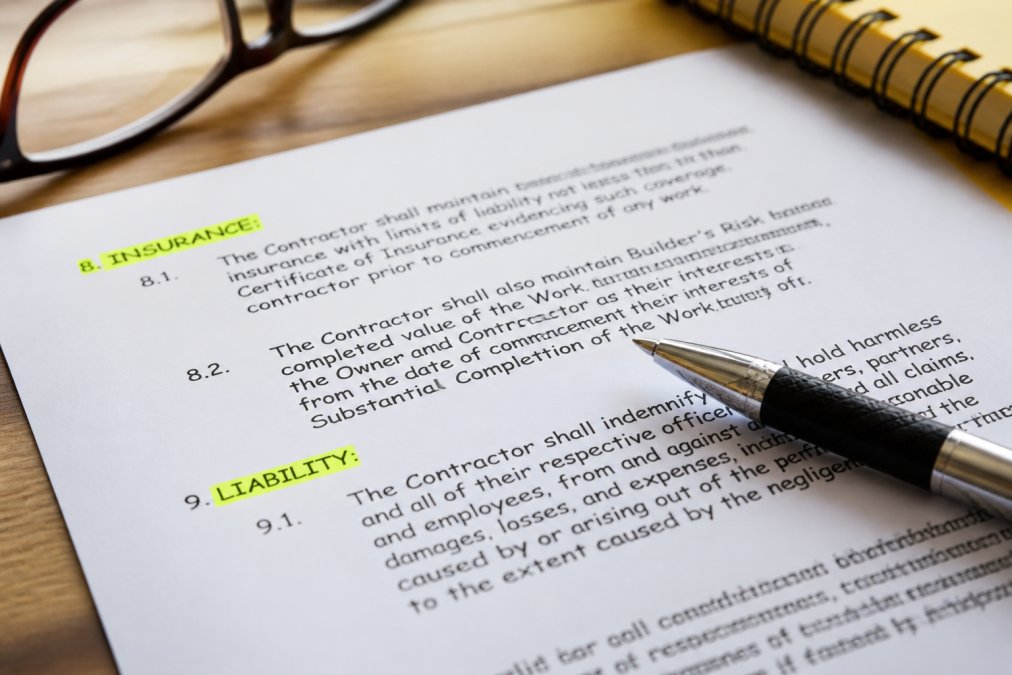
In traditional construction, the architect and contractor operate under separate contracts with different insurance obligations. If a problem arises, the owner must determine whether it stems from design or workmanship, often triggering disputes between insurers.
In design-build, the design-build firm typically warrants both design and construction. In traditional construction, the architect warrants design accuracy and the contractor warrants execution. Incomplete design documents can trigger contractor change orders.
Example: A difficult beam connection detail. In design-build, the contractor flags it during preconstruction and the team revises it before construction starts, no change order. In traditional construction, the contractor discovers it during framing, submits a change order, and disputes may follow if the modification deviates from code or design intent.
Many government agencies require design-bid-build because it separates the architect's loyalty from the contractor's profit motive, viewed as a safeguard against conflicts of interest.
Master Builder llc.'s collaborative approach keeps architects engaged as partners, reducing friction. Understanding liability allocation helps owners choose the delivery method that aligns with their risk tolerance.
Cost Control, Budget Transparency, and Change Order Management
Cost control operates differently under each delivery method. Understanding how change orders are priced and sequenced protects your budget.
Design-Build Cost Control and Change Order Process
In design-build, the owner often receives a fixed-price contract before construction begins, which can offer greater cost certainty as the design-build team works to optimize the design for constructability and cost during preconstruction.
Change orders in design-build follow a formal process. The design-build firm provides a written change order including the scope change, cost impact (labor, materials, equipment, overhead), schedule impact, and reason for the change.
Because the design-build team has already priced the original scope, they can estimate change order costs quickly. The owner sees the cost before approving the change.
Design-build requires owners to make material and finish selections during the design phase, not during construction. These selections directly affect the final price, but the process is transparent.
A key advantage: in design-build, the contractor has already factored in labor productivity and sequencing. A change order cost reflects the actual impact on the schedule and crew efficiency.
Traditional Construction Cost Control and Change Order Process
In traditional construction, the contractor submits a bid based on complete design documents. The fixed bid applies to the work shown in those documents. Any change, a different door, relocated wall, upgraded finish, structural modification, requires a change order.
Change orders in traditional construction follow a different sequence:
- Change Request: The owner, architect, or contractor identifies a scope change.
- Design Modification: The architect modifies the design documents to reflect the change.
- Cost Estimate: The contractor estimates the cost of the change based on the modified design.
- Schedule Impact: The contractor determines how the change affects the project timeline.
- Approval: The owner approves the change order in writing.
- Execution: The contractor performs the changed work.
Change orders in traditional construction often cost significantly more than the same upgrade would cost in design-build. Why? Because the design is already locked, the contractor must re-estimate labor, materials, and sequencing based on how the change disrupts the original plan.
A concrete example: Moving a window 2 feet in traditional construction might require:
- Structural engineer to review the wall and confirm the new opening is safe
- Framing crew to modify the header and studs
- Electrical crew to reroute wiring
- HVAC crew to adjust ductwork
- Drywall crew to patch and finish
- Exterior contractor to modify the wall opening
Each trade must re-sequence their work.
Change Order Frequency and Budget Impact
For a $500,000 traditional construction project, this means $25,000 to $75,000 in change orders. These changes often stem from:
- Design ambiguities or incomplete specifications
- Site conditions discovered during construction (subsurface surprises, existing conditions)
- Owner preferences that weren't defined during design
- Code or permit requirements that emerge during construction
Managing Change Orders Transparently
- Clear Documentation: Every change order describes the scope change, cost, and schedule impact in writing before work begins.
- Cost Breakdown: The owner sees labor, materials, equipment, and overhead, not a lump sum.
- Schedule Transparency: The owner understands how the change affects the project completion date.
- Approval Gate: No change order work begins until the owner has approved it in writing.
Which Method Works Best for Your Project?
Choosing between design-build vs traditional construction depends on your priorities, timeline, and how clearly you can define the project scope upfront.
Choose design-build if:
- Your timeline is tight. Design-build compresses the schedule by overlapping phases.
- You're renovating an occupied space. The faster timeline means less operational disruption.
- You value a single point of responsibility. One entity manages all coordination.
- Your scope is evolving. You'd rather refine preferences during design than discover them during construction.
- You want cost certainty, as design-build can offer a clearer financial picture earlier in the process.
Choose traditional construction (design-bid-build) if:
- You have a clearly defined design and budget. You know exactly what you want built.
- Price competition matters. Multiple contractors bidding on identical plans ensures competitive pricing.
- The design must be independent of construction input. You want an architect whose loyalty is solely to your vision, not to constructability.
- You have time. The sequential process takes longer but can feel more deliberate.
- You're building to a specific standard or code requirement. Detailed design documents ensure compliance.
Frequently Asked Questions
What is the fundamental difference between design-build and traditional construction?
Design-build combines the design and construction phases under a single entity, creating a single point of responsibility. Traditional construction (design-bid-build) separates these phases: the owner hires an architect first, then puts the completed design out for competitive bidding among general contractors. This structural difference affects timeline, cost accountability, collaboration, and risk distribution throughout the project lifecycle.
Is design-build construction typically faster than traditional methods?
Yes, design-build is often faster because design and construction phases can overlap. Traditional construction requires the full design phase to complete before bidding and construction can begin. For complex projects, design-build can compress the overall schedule, though the actual savings depend on project scope, local market conditions, and how well the design-build team coordinates pre-construction services with the project owner.
How do I know which delivery system is right for my residential remodel or commercial project?
Choose design-build if you want faster delivery, integrated problem-solving, and a single point of responsibility, ideal for occupied spaces where minimal disruption matters. Choose traditional construction (design-bid-build) if you have a fully defined scope, want competitive bidding among contractors, or need maximum budget transparency upfront. Small to mid-sized residential remodels and light commercial tenant improvements often benefit from design-build's collaborative approach and schedule acceleration.
What are the disadvantages of the design-build process?
Change orders can still occur, and cost estimates may evolve as the design develops. You may have less competitive bidding pressure, so pricing could be different than traditional methods. Design-build also requires strong communication and trust between owner, designer, and contractor, if that relationship breaks down, the integrated structure can amplify problems rather than resolve them.