
 comparison
General Contractor vs Custom Home Builder: Key Differences
Table of Contents
- Defining a General Contractor
- Defining a Custom Home Builder
- General Contractor vs Custom Home Builder: Key Differences in Scope of Work
- General Contractor vs Home Builder Cost: Pricing Models and Budget Structures
- Project Management and Construction Timeline
- Questions to Ask a Custom Home Builder Before You Hire
- Understanding the Custom Home Building Process
- Insurance, Liability, and Warranty Differences
- Frequently Asked Questions
Last Updated: October 2, 2026
Defining a General Contractor
A general contractor is a licensed professional who manages the day-to-day operations of a construction project on behalf of the homeowner or property owner. They oversee subcontractors, coordinate materials, handle permits and inspections, and ensure the work meets building codes and the agreed-upon specifications. General contractors typically work under a fixed-price or cost-plus contract and are responsible for project scheduling, quality assurance, and site supervision.
The role of a general contractor centers on execution and management rather than design. They take your vision (usually provided by an architect or designer) and bring it to life.
General contractors typically charge a markup on labor and materials, depending on project scope and complexity. They handle the logistics so you don't have to coordinate between dozens of different vendors and tradespeople.
Defining a Custom Home Builder
A custom home builder is a company that designs and constructs residential properties from the ground up, typically handling everything from initial site planning through final handover. Unlike general contractors who execute a pre-existing design, custom home builders often provide design-build services, meaning they collaborate with architects or employ in-house designers to create homes tailored to the homeowner's specific needs and preferences.
Custom home builders typically take on more responsibility upfront. They manage the entire project delivery process, including site selection, architectural collaboration, permitting, construction management, and warranty support.
Custom home builders usually operate on a fixed-price contract for the entire home or on a cost-plus model where you pay for materials plus a percentage markup. The scope is broader, they're not just building what's on paper; they're often guiding design choices, material selections, and construction methodology from start to finish.
General Contractor vs Custom Home Builder: Key Differences in Scope of Work
The most significant difference between these two roles lies in project scope and responsibility. A general contractor vs custom home builder distinction comes down to what you're asking them to deliver.
General Contractor Scope:
- Executes a predetermined design or renovation plan
- Manages subcontractors and site supervision
- Coordinates permits and inspections
- Responsible for construction quality and timeline
- Works from architect-provided drawings or existing specifications
- Typically hired after design phase is complete
Custom Home Builder Scope:
- Handles design collaboration from the earliest stages
- Manages architectural planning alongside construction
- Controls material selection and construction methodology
- Often provides turnkey delivery (you get a finished home with minimal input required)
- May offer in-house design services or work closely with architects
- Responsible for the entire project lifecycle from concept through warranty
For homeowners undertaking a remodel or addition with existing plans, a general contractor makes sense. For those building new custom homes where design flexibility and integrated planning matter, a custom home builder often provides clearer accountability and fewer coordination headaches.
Master Builder llc. operates as a general contractor with deep collaborative ties to architects and designers, managing both residential and light commercial projects with comprehensive on-site staffing and seamless communication throughout the construction phase.
General Contractor vs Home Builder Cost: Pricing Models and Budget Structures
Understanding how each model charges for their work is essential before hiring. The pricing structures differ significantly, and the difference affects your total project cost and your ability to control expenses.
General Contractor Pricing:
- Cost-plus model: You pay for materials plus labor markup
- Fixed-price contract: Agreed-upon total cost for the entire project
- Hourly rates for change orders or unforeseen work
- More transparent material tracking since you often see itemized invoices
Custom Home Builder Pricing:
- Fixed-price contract for the entire home (most common)
- Design-build pricing where design and construction are bundled
- Cost-plus arrangements for highly customized projects
- May include contingency allowances built into the price
The key tension: general contractors typically offer more granular cost visibility (you see what materials cost, what labor costs), while custom home builders often bundle costs into a single fixed price. This means custom home builders absorb cost overruns more directly, which can incentivize tighter project management, or it can mean higher initial quotes to account for unknown variables.
For projects with clearly defined scope and minimal changes, fixed-price contracts work well. For projects where you're making design decisions as you go, cost-plus arrangements (whether through a general contractor or custom builder) may protect you from surprise price jumps at the end.
Project Management and Construction Timeline
How each role manages your project timeline reveals important differences in accountability and workflow.
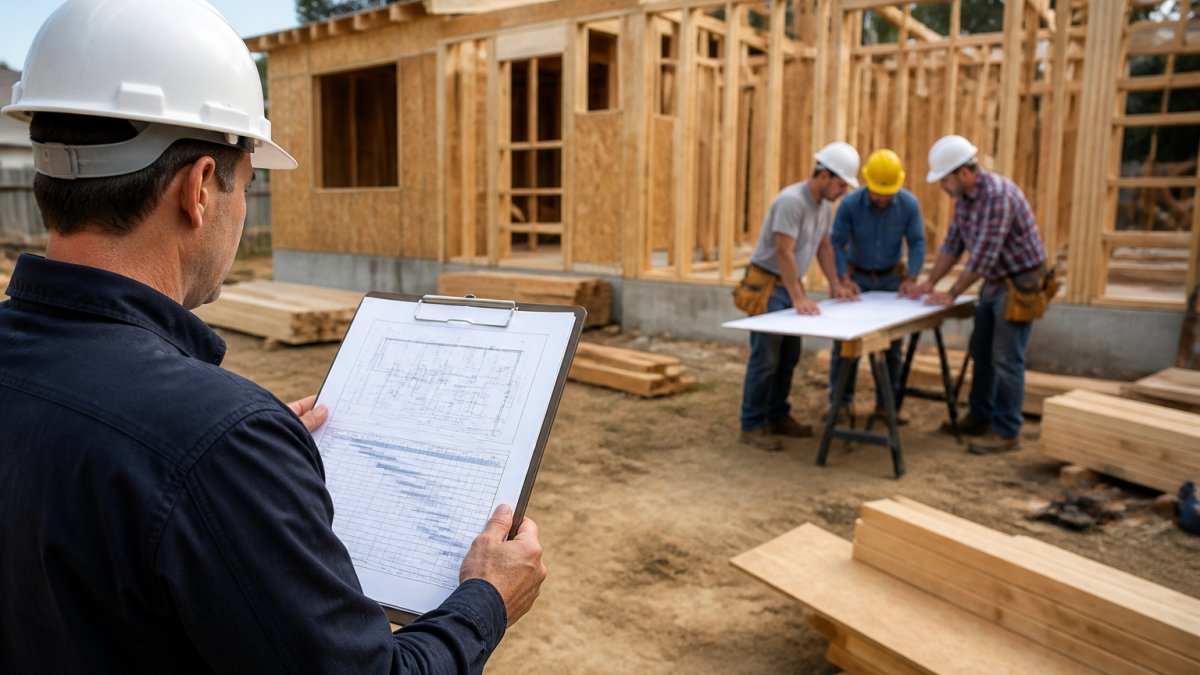
General Contractor Timeline Management:
- Strict adherence to predetermined schedule
- Subcontractor coordination is central to staying on time
- Change orders can delay work if not managed carefully
- Site supervision ensures daily progress tracking
- Typical residential remodel: The timeline depends on scope.
Custom Home Builder Timeline Management:
- Design phase may extend the overall timeline
- Integrated planning can actually reduce construction delays
- Material procurement decisions made earlier in the process
- Turnkey approach means fewer mid-project surprises
- New custom home construction: The timeline varies from groundbreaking to handover.
Custom home builders typically work on vacant land or new construction sites where timeline pressure is less about occupancy and more about seasonal conditions and design decisions.
Questions to Ask a Custom Home Builder Before You Hire
Before signing with any builder, ask these questions to understand their process, accountability, and how they handle the common pitfalls that derail projects.
- How do you handle design changes mid-project? This reveals whether they build change order costs into the contract or charge separately. A clear answer here prevents surprise invoices.
- What is your warranty coverage, and what does it include? Understand what structural issues, finish work, and systems are covered post-handover and for how long.
- How do you manage subcontractors? Ask about their vetting process, how they handle quality issues, and whether they use the same trades repeatedly or rotate vendors.
- What happens if costs exceed the estimate? This is the critical question. Do they absorb overruns, or does the contract allow them to pass costs to you? The answer determines your financial risk.
- Can you provide references from recent projects of similar scope? Call at least three past clients and ask about timeline adherence, quality, and how the builder handled problems.
- How often will we communicate during construction? Clarify whether you get weekly updates, site visits, or formal progress meetings. Vague communication breeds frustration.
- What is your process for handling defects or punch-list items? Ask how they address finish issues and how quickly they return to fix problems after handover.
Understanding the Custom Home Building Process
The custom home building process typically unfolds in distinct phases, each with its own timeline and decision points. Understanding this flow helps you anticipate costs, delays, and your own involvement.
Design and Planning Phase:
- Architect or designer collaborates with you on floor plans, exterior style, and material selections
- Site analysis and permitting requirements are assessed
- Preliminary budget and timeline are established
- Duration: The duration varies for most residential projects.
Permitting and Approvals:
- Detailed plans are submitted to local building departments
- Zoning compliance and building code review occurs
- Permits are issued (or revisions requested)
- This phase often surprises homeowners with its length and complexity
- Duration: The duration depends on local jurisdiction.
Preconstruction Phase:
- Final material selections are locked in
- Subcontractors are selected and scheduled
- Material orders are placed to ensure delivery timing
- Site preparation begins (excavation, utilities, foundation work)
- Duration: The duration varies.
Construction Phase:
- Foundation, framing, mechanical systems, and finishes are completed in sequence
- Regular inspections by building officials and the builder's quality team occur
- Change orders are processed if design modifications arise
- Duration: The duration varies for new construction.
Final Inspection and Handover:
- Punch-list items are completed
- Final building inspection and occupancy permit are obtained
- Warranty documentation and manuals are provided
- Keys are transferred and you take possession
- Duration: The duration varies.
The permitting and regulatory hurdles often catch homeowners off guard. According to National Association of Home Builders guidance on permitting timelines, permit approval times vary dramatically by jurisdiction, some municipalities process in 2 weeks, others in 8+ weeks. Understanding your local building department's typical timeline is essential.
Insurance, Liability, and Warranty Differences
This is where the risks shift significantly between hiring a general contractor and a custom home builder.
General Contractor Liability:
- Carries general liability insurance covering bodily injury and property damage during construction
- Responsible for workers' compensation for their employees
- Subcontractors carry their own liability insurance (you should verify this)
- Warranty typically covers workmanship for 1 year; structural issues for longer periods
- Your homeowner's insurance may not cover construction-related damage, clarify this upfront
Custom Home Builder Liability:
- Carries comprehensive general liability and workers' compensation insurance
- Often carries builders risk insurance covering the structure during construction
- May offer extended warranties (2-5 years or longer) on structural and systems
- Typically responsible for subcontractor performance and quality
- Turnkey model means the builder absorbs more liability risk
A critical distinction: when a general contractor's subcontractor makes a mistake, responsibility can become murky. Who pays to fix it, the subcontractor, the general contractor, or you?
Building codes and regulatory compliance fall under the builder's or contractor's responsibility. They must ensure all work meets local zoning regulations, electrical codes, plumbing codes, and structural standards.
According to Better Business Bureau standards for construction contractors, checking a contractor's licensing status, complaint history, and insurance coverage is essential before signing any contract.
Choosing between a general contractor and a custom home builder depends on your project scope, your comfort with design decisions, and how much coordination you want to handle yourself. Master Builder llc. brings general contracting expertise with collaborative design integration, comprehensive on-site management, and the ability to work seamlessly on occupied spaces, delivering quality craftsmanship and functional, beautiful structures from start to finish. Learn more about construction project management best practices to understand what accountability looks like in your contract. Get started with a consultation to discuss your project needs and timeline.
| Aspect | General Contractor | Custom Home Builder |
|---|---|---|
| Primary Role | Executes pre-designed plans | Manages design and construction together |
| Design Involvement | Minimal; follows architect's drawings | Extensive; collaborates on all decisions |
| Scope of Work | Construction and project management | Full lifecycle from concept to handover |
| Pricing Model | Cost-plus or fixed-price | Fixed-price or design-build bundled |
| Timeline Typical | Varies for remodels | 6-12 months for new custom homes |
| Warranty Coverage | Varies by trade | 2-5 years structural and systems |
| Subcontractor Management | Coordinates multiple trades | Typically assumes responsibility for all work |
| Best For | Renovations with clear plans; occupied sites | New custom homes; design flexibility desired |
Frequently Asked Questions
Is a home builder the same as a general contractor?
No. A general contractor manages construction for existing designs and handles subcontractors, material procurement, and site supervision. A custom home builder typically oversees the entire process from design through completion, often providing architectural collaboration and turnkey services. General contractors focus on execution; custom home builders manage the full project scope including design-build services.
What questions should I ask a custom home builder before hiring?
Ask about their experience with projects similar to yours, their approach to design collaboration, how they handle change orders, their warranty coverage, insurance and liability limits, their process for managing subcontractors, timeline expectations, and how they communicate during the construction phase. Request references from past clients and clarify whether they work with architects or designers you've already hired.
How do general contractor and custom home builder costs differ?
General contractors typically charge a percentage markup on materials and labor or a fixed fee for project management. Custom home builders often use cost-plus contracts (markup plus actual costs) or fixed-price contracts for the entire build. Custom builders may charge higher upfront fees due to design services and comprehensive planning. Your total cost depends on project scope, complexity, and whether design and permitting are included.
What happens during the custom home building process?
The process includes initial design and planning with architectural collaboration, permit acquisition and code compliance review, site excavation and foundation work, structural framing, mechanical and electrical installation, finish carpentry, and final inspection and handover. A custom home builder manages each phase, coordinates subcontractors, ensures quality assurance throughout, and handles vendor management. The timeline varies based on project complexity and site conditions.
When should I hire a general contractor instead of a custom home builder?
Hire a general contractor when you have a completed design, clear project specifications, and need someone to manage construction execution and subcontractors. Choose a custom home builder if you need design-build services, comprehensive planning from concept through completion, or want one entity responsible for the entire project. General contractors work well for renovations and remodels with defined scopes; custom builders suit new construction or complex projects requiring design input.