
 ultimate-guide
Managing Architect and Subcontractor Relationships
Table of Contents
- Why Managing Architect and Subcontractor Relationships Determines Project Success
- Pre-Construction Planning: Roles, Responsibilities, and Pre-Qualification
- Building a Construction Communication Plan Template That Actually Works
- Subcontractor Management Best Practices for Field Coordination and Quality Control
- Resolving Architect and Contractor Disputes Before They Derail the Project
- Managing Architect and Subcontractor Relationships After the Project Closes
- Conclusion
Last Updated: August 25, 2026
Why Managing Architect and Subcontractor Relationships Determines Project Success
Managing architect and subcontractor relationships is the single most controllable variable in whether a construction project finishes on time, on budget, and without legal dispute. Most project failures start in the gap between what the architect designed and what the subcontractors understood they were building.
At Master Builder LLC, the general contractor sits at the center of that gap. When filled well, the architect's vision gets executed with precision. When it isn't, schedules slip and change orders multiply.
The core tension is this: architects think in systems and drawings, subcontractors think in tasks and materials, and clients think in outcomes and budget. Aligning those three perspectives requires structured communication, clearly defined contractual obligations, and a general contractor who treats stakeholder alignment as a core deliverable.
According to the American Institute of Architects' guidance on construction administration, the construction administration phase is where design intent is either preserved or lost. Below, we'll walk through pre-construction planning, field coordination, dispute resolution, and project closeout.
Pre-Construction Planning: Roles, Responsibilities, and Pre-Qualification
Pre-construction planning determines how well every party will function together under pressure. The decisions made before a single shovel breaks ground shape the entire project.

Defining Scope of Work and Contractual Obligations Up Front
A scope of work is the written description of exactly what each subcontractor is responsible for delivering, including technical specifications, quality standards, and exclusions. Vague scopes are the primary driver of change orders and disputes.
Every subcontract should define:
- Scope boundaries, what is explicitly included and excluded
- Technical specifications, materials, methods, and performance standards from the architect's drawings
- Submittal requirements, what shop drawings, product data, or samples must be approved before work begins
- RFI protocols, how and when a subcontractor should submit a Request for Information when field conditions differ from drawings
- Change order procedures, written authorization required before any out-of-scope work proceeds
The architect of record should review and confirm scope language before subcontracts are executed. This prevents the most common source of field conflict: two parties with different assumptions about who owns a particular piece of work.
Pre-Qualifying Subcontractors Before the Bid Process
The bid process rewards the lowest number, not the best team. Pre-qualification changes that by evaluating capacity, experience, and reliability before bids are submitted.
A subcontractor who wins on price but can't staff the project or manage submittals correctly will cost more in schedule delays and rework than the savings on the original bid.
A practical pre-qualification checklist:
- Verified license and insurance certificates current in your state
- References from at least two comparable projects in the past three years
- Demonstrated experience with the specific project delivery method
- Capacity to meet the project schedule given current workload
- Familiarity with the submittal process and RFI workflow
- Track record of clean change order history
Building a Construction Communication Plan Template That Actually Works
Most communication breakdowns aren't caused by bad intentions. They're caused by the absence of a defined communication plan. When nobody has agreed on how information flows, critical decisions get made informally and without documentation.
A construction communication plan template defines who communicates what, to whom, through which channel, and at what frequency.
| Communication Type | Owner | Frequency | Format |
|---|---|---|---|
| RFI submission and response | Subcontractor → GC → Architect | As needed | Written, logged in project software |
| Submittal review | GC → Architect → GC → Sub | Per schedule | Formal submittal log |
| Change order authorization | GC → Owner | Before work proceeds | Written, signed |
| Weekly site coordination | GC + all active subs | Weekly | Meeting + written minutes |
| Budget variance reporting | GC → Owner | Bi-weekly | Written summary |
| Site inspection findings | Architect → GC | After each visit | Written observation report |
RFIs, Submittals, and Change Orders: Keeping Everyone Aligned
RFIs, submittals, and change orders are the three documents that keep architect and subcontractor relationships functional. When managed with discipline, the project has a paper trail that protects everyone.
RFIs are formal written requests from a subcontractor or general contractor asking the architect to clarify something in the construction documents. Every RFI should be logged with a submission date, required response date, and resolution record.
Submittals are the subcontractor's documentation that materials and methods conform to technical specifications. The architect reviews and approves submittals before work proceeds. A missed submittal is one of the most common causes of schedule delays.
Change orders are written amendments authorizing work outside the original scope. The most important rule: no change order work should begin without written authorization. Verbal approvals are not change orders.
Digital Collaboration Tools and Software Integration
Construction project management software has changed how general contractors manage architect and subcontractor relationships. The gap between teams using integrated digital tools and teams relying on email and spreadsheets is significant, particularly in managing submittals, RFIs, and schedules.
Purpose-built construction management platforms allow all project stakeholders to access current drawings, submit and respond to RFIs in a logged environment, and track submittal status in real time. This reduces the risk of subcontractors working from outdated drawings.
According to the Construction Industry Institute's research on project performance, projects with structured information management practices consistently outperform those without on schedule and cost metrics.
Key capabilities to look for in a construction collaboration platform:
- Drawing version control with automatic notification when documents are updated
- RFI and submittal logs with response deadline tracking
- Daily field reports accessible to the architect and owner
- Change order workflow with digital signature capability
- Budget variance dashboards visible to all authorized parties
Subcontractor Management Best Practices for Field Coordination and Quality Control
Field coordination is where plans meet reality. Subcontractor management best practices focus on keeping trades sequenced correctly, catching quality issues before they're buried in the next phase, and maintaining accountability.
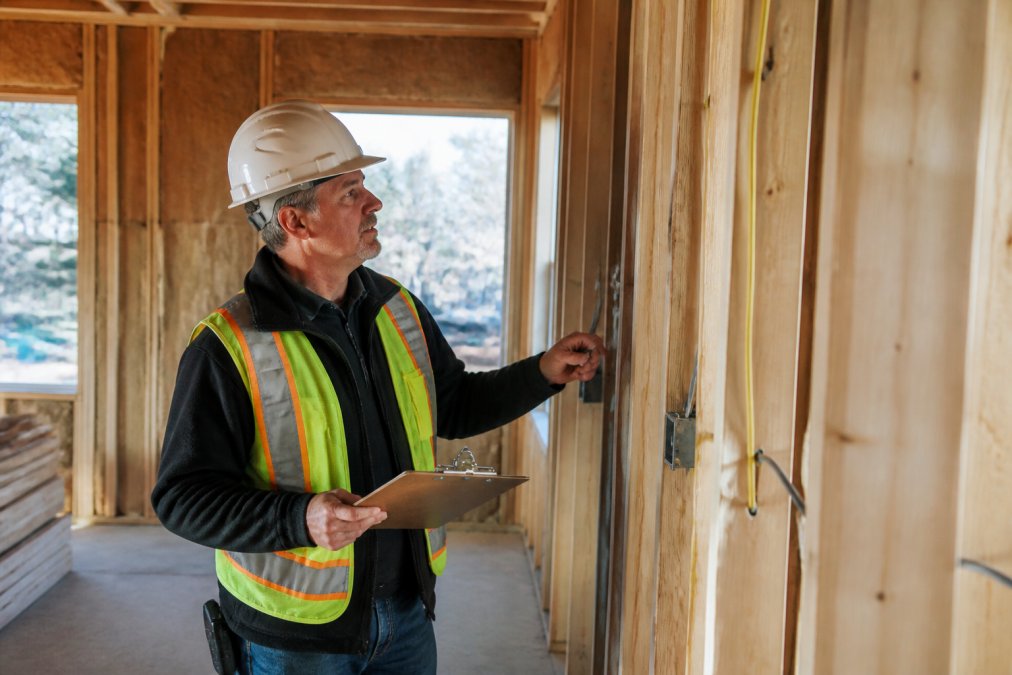
The general contractor's role during construction administration is active. Waiting for subcontractors to flag problems is not a management strategy. Regular site inspections, documented daily reports, and structured weekly coordination meetings are the baseline.
Subcontractor management best practices include:
- Hold weekly coordination meetings with all active trades. Cover the two-week look-ahead schedule, trade conflicts, and open RFIs or submittals blocking work.
- Document all site inspections in writing. If the architect notes a deviation from the drawings, that observation should be logged and responded to formally.
- Enforce the submittal process before materials are ordered. A subcontractor who orders materials before submittal approval creates a situation where the architect's rejection becomes a project cost.
- Track quality control checkpoints by phase. Framing inspections before drywall, rough-in inspections before insulation, and waterproofing inspections before tile prevent expensive rework.
- Maintain a conflict log for any inter-trade coordination issues. When conflicts arise, they need documented resolution, not field improvisation.
Schedule Management and Budget Variance Monitoring
Schedule management and budget variance monitoring are the two metrics that tell you whether the project is in control. Most project problems are visible in these numbers before they become crises on site.
The project schedule should be updated weekly, shared with all subcontractors, and reviewed against actual progress at every coordination meeting. When a trade falls behind, the impact on downstream trades needs immediate communication.
Budget variance monitoring requires the general contractor to track actual costs against the contract budget in real time. When a line item shows variance, the cause should be identified before it compounds. Many variances trace back to scope ambiguity in the original subcontract.
Resolving Architect and Contractor Disputes Before They Derail the Project
Disputes between architects and contractors are more common than most clients realize, and most are preventable. The disputes that derail projects almost always involve ambiguous drawings, undocumented scope changes, or a breakdown in the RFI process.
Resolving disputes effectively starts with recognizing them early. A subcontractor working around a drawing conflict without submitting an RFI is deferring the problem to a point where it's more expensive to correct.
The most effective dispute prevention mechanism is a well-maintained project documentation record. When every RFI, submittal, change order, and site inspection is documented in writing, disputes have a factual basis for resolution.
For disputes that escalate beyond informal resolution:
- Written notice of the dispute to all parties
- Review of the contract documents, RFI log, and change order record
- A meeting between the GC, architect, and affected subcontractor to identify the factual record
- A written resolution or, if unresolved, escalation per the contract's dispute resolution clause
Legal Liability and Risk Allocation Frameworks
Legal liability in construction projects is allocated through contracts. Risk allocation frameworks define who bears responsibility for specific categories of risk before the project begins.
The standard AIA contract documents, including the A101 Owner-Contractor Agreement and the A201 General Conditions, establish baseline risk allocation for most commercial and residential projects. These documents address indemnification, insurance requirements, consequential damages waivers, and dispute resolution procedures.
Key risk allocation considerations include:
- Indemnification clauses, which party indemnifies the other for claims arising from their own work
- Insurance requirements, minimum coverage levels for general liability, workers' compensation, and professional liability
- Consequential damages, whether lost profits or business interruption costs are recoverable
- Dispute resolution method, mediation, arbitration, or litigation, and which jurisdiction governs
As referenced in the American Bar Association's guidance on construction contract risk allocation, the general contractor's indemnification obligations to the owner and the subcontractor's obligations to the general contractor should mirror each other structurally.
Managing Architect and Subcontractor Relationships After the Project Closes
The project closeout phase is where most general contractors leave value on the table. Post-project reviews surface the lessons that improve the next project.
A structured review with the architect and key subcontractors, conducted within 30 days of substantial completion, should cover:
- Schedule performance: projected vs. actual milestones
- Budget variance: final cost vs. original contract sum
- RFI and submittal log review: response times and unresolved items
- Change order analysis: root causes of scope changes
- Quality control outcomes: warranty items or punchlist patterns
- Relationship assessment: which subcontractors performed to standard
The architect relationship deserves specific attention at closeout. Architects who trust a general contractor's ability to execute their designs become reliable referral sources. That relationship is built over multiple projects and starts with how the current project ends.
Managing architect and subcontractor relationships across a full project lifecycle requires structure, documentation, and a general contractor who treats coordination as a core service. Master Builder LLC brings a collaborative approach to every project, working directly with architects and designers from pre-construction planning through field coordination and closeout. Our end-to-end client experience means you don't end up coordinating between trades yourself. Book online to discuss your next residential or commercial project.
Frequently Asked Questions
Q: How do architects and general contractors collaborate effectively during construction?
A: Effective collaboration starts before a single shovel hits the ground. The general contractor and architect of record should align on the project delivery method, communication protocols, and submittal process during pre-construction planning. Regular site inspections, shared project documentation, and a clear RFI workflow keep both parties informed. When the GC flags constructability issues early rather than mid-build, the architect can adjust technical specifications without triggering costly change orders or schedule delays.
Q: What are the best practices for managing subcontractor performance?
A: Subcontractor management best practices center on three things: clear scope of work documents before work begins, consistent field coordination during construction administration, and measurable quality control checkpoints tied to project milestones. Pre-qualifying subs before the bid process filters out underperformers. During the project, weekly progress meetings, documented RFIs, and transparent budget variance reporting hold every trade accountable without creating an adversarial dynamic that slows work down.
Q: How can a general contractor resolve conflicts between architects and subcontractors?
A: Most architect-subcontractor conflicts stem from ambiguous technical specifications or undocumented change orders. The GC's role is to surface these gaps early through a structured RFI process and bring both parties to the table before positions harden. Documenting every decision in writing, referencing contractual obligations, and proposing value engineering solutions that satisfy design intent while respecting budget constraints resolves the majority of disputes. When disagreements escalate, a pre-agreed conflict resolution clause in the subcontract provides a clear path forward without litigation.
Q: What is the role of a general contractor in facilitating communication between design and trade teams?
A: The GC acts as the central communication hub across the entire project lifecycle. That means translating the architect's design intent into actionable field instructions for each trade, routing submittals back to the architect for approval, and flagging scope conflicts before they become expensive mistakes. A written construction communication plan template, covering meeting cadence, documentation standards, and escalation paths, keeps every stakeholder aligned and gives the owner a clear record of every decision made on their behalf.
Q: How do you maintain project timelines when managing multiple stakeholders?
A: Schedule management with multiple stakeholders requires a master project schedule that every party signs off on before work begins. Breaking the schedule into phase-based project milestones with clear predecessor tasks makes it easy to spot delays before they compound. Weekly look-ahead schedules, shared digitally so the architect, subs, and owner all see the same data, reduce the coordination gaps that typically cause timeline drift. Change orders should trigger an automatic schedule impact review rather than being absorbed silently into the existing plan.
Q: We've managed projects before where the GC said they'd handle everything, but we still ended up coordinating between the architect and subs ourselves. How does a well-run GC actually prevent that?
A: A well-run GC prevents owner involvement in trade coordination by owning the communication protocols from day one. That means the GC, not the owner, routes every RFI, manages the submittal process, attends construction administration meetings with the architect, and holds weekly subcontractor coordination calls. When the owner receives a call from a sub or the architect asking for a decision, that is a sign the GC's communication plan has broken down. Clear accountability structures and a single point of contact for every project party eliminate that gap.
This article was written using GrandRanker