
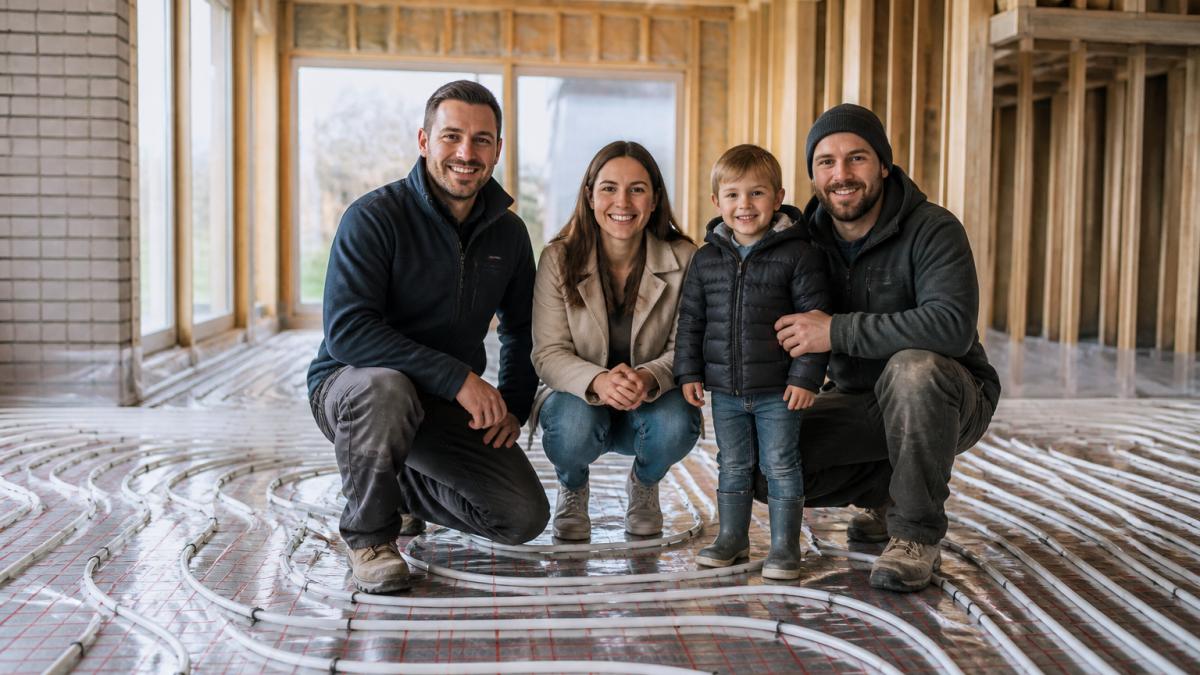
 comparison
Is Radiant Floor Heating Worth It in New Builds?
Table of Contents
- Is Radiant Floor Heating Worth It? The Bottom Line
- Pros and Cons of Radiant Floor Heating
- Hydronic vs Electric Radiant Heat: Which System Fits Your Build
- Radiant Floor Heating Installation Cost for New Construction
- Best Flooring for Radiant Heat Systems
- Energy Efficiency and Long-Term Operating Costs
- Impact on Home Resale Value and System Lifespan
- Conclusion: Making the Decision for Your New Build
- Frequently Asked Questions
Last Updated: October 1, 2026
Is Radiant Floor Heating Worth It? The Bottom Line
Whether radiant floor heating worth it has moved from a luxury question to a legitimate consideration for new builds. The question isn't whether it works, it does, and homeowners consistently report higher comfort levels than forced air systems. The real question is whether the upfront cost, installation complexity, and system-specific requirements align with your project goals and timeline.
Master Builder llc. guides homeowners through this decision during new construction planning. The answer depends on three factors: your budget flexibility during the build phase, your long-term comfort priorities, and your flooring material choices. For some projects, radiant heating becomes the centerpiece of the design. For others, it's a targeted upgrade in specific rooms rather than a whole-house system.
This guide breaks down the genuine trade-offs. You'll find comparisons between hydronic and electric systems, honest cost analysis, and the specific flooring materials that work best with radiant heat. We'll also address the resale value question, it matters, but not the way most guides claim.
Pros and Cons of Radiant Floor Heating
Radiant floor heating delivers consistent warmth from below, eliminating cold spots and the temperature swings common with forced air systems. The comfort improvement is real: your feet stay warm, dust circulation drops significantly, and the ambient temperature feels more stable throughout the day.
What works:
- Even heat distribution across the entire floor eliminates hot and cold zones typical of traditional HVAC
- Allergy-friendly operation since the system doesn't circulate dust through air vents
- Quiet operation compared to forced air furnaces and ductwork
- Zone control capability lets you heat individual rooms or sections independently
- Space efficiency removes the need for visible vents, baseboards, or radiators
What doesn't:
- Higher upfront installation cost compared to forced air, particularly for hydronic systems in new construction
- Thermal lag means the system responds more slowly to temperature adjustments, you can't quickly cool a room like you can with forced air
- Floor covering restrictions eliminate certain materials; thick carpeting and some wood finishes reduce efficiency
- Repair complexity if tubing fails, fixing it requires removing flooring, a significant expense
- Requires careful design integration during the planning phase; retrofitting into existing homes is expensive and disruptive
The lag issue deserves emphasis. If you adjust your thermostat at 6 PM expecting warmth by 7 PM, radiant systems may take 30-45 minutes to reach target temperature. This matters less for whole-house heating but becomes noticeable if you're using zone control for specific rooms.
Hydronic vs Electric Radiant Heat: Which System Fits Your Build
The two radiant systems serve different purposes. Understanding the distinction shapes the entire project approach.
Hydronic radiant heating circulates warm water through PEX tubing embedded in the subfloor. A boiler or heat pump generates the heat, and a manifold system controls water temperature and zone distribution. This is the system for whole-house heating in new construction.
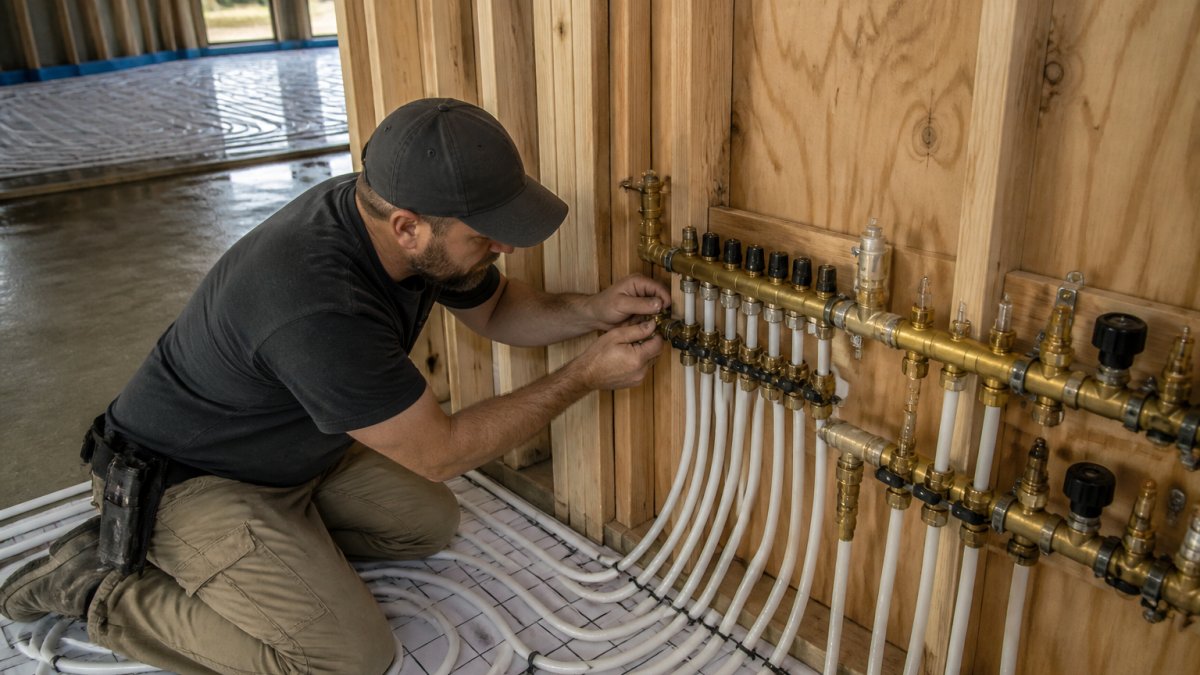
Hydronic systems excel at consistent, efficient heat delivery across large areas. They pair well with heat pumps for low-temperature operation, reducing energy consumption. Installation during new construction is straightforward, tubing runs between joists or in the slab before finish flooring goes down. The system requires annual maintenance and occasional flushing to prevent mineral buildup.
Electric radiant heating uses resistance cables or heating mats embedded in the floor. Current flows through the cable, generating heat directly. This system works best for targeted applications: a luxury bathroom, a kitchen, or a specific room where comfort matters most.
Electric systems install faster and don't require boiler maintenance. They're ideal for retrofits or partial-room upgrades. However, operating costs climb quickly if you try to heat an entire home this way. The per-square-foot cost appears lower initially, but monthly energy bills tell a different story at scale.
For new construction, choose hydronic if you want whole-house radiant comfort. Choose electric if you're targeting specific high-use areas while keeping traditional HVAC for the rest of the home. Many builders use a hybrid approach: hydronic in the primary living spaces and electric in bathrooms or master bedrooms.
| System Type | Best For | Installation Complexity | Operating Cost | Maintenance |
|---|---|---|---|---|
| Hydronic | Whole-house heating in new builds | Medium (requires boiler/pump setup) | Lower at scale | Annual flushing, occasional repairs |
| Electric | Targeted rooms, luxury bathrooms | Low (straightforward mat installation) | Higher for whole-house | Minimal (sealed system) |
Radiant Floor Heating Installation Cost for New Construction
Installation cost during new construction differs significantly from retrofit scenarios. The system integrates into the build sequence rather than disrupting finished spaces.
For hydronic systems in new construction, the total installed cost can vary. The boiler or heat pump represents the largest component. PEX tubing and manifold installation adds labor during the framing and rough-in phases, when walls are open and coordination is simpler. Concrete pour timing becomes critical; tubing must be in place before the slab sets.
The advantage of new construction timing: you're not removing existing flooring or disrupting occupied spaces. Labor costs stay reasonable because the work flows naturally with the build sequence. Master Builder llc. coordinates these installations to avoid delays, tubing placement happens during framing, boiler installation during mechanical rough-in, and pressure testing before drywall closes the walls.
Electric systems cost less upfront but require careful circuit planning. Dedicated electrical lines must run to each zone, and the electrician needs to coordinate with flooring timing. Mats install directly on the subfloor before finish flooring, making scheduling flexible.
The real cost variable is scope. A 2,000-square-foot whole-house hydronic system costs more than electric heating in a 200-square-foot master bathroom. Get quotes specific to your project, including boiler selection, tubing layout, and zone configuration. Pricing depends on system type, square footage, and your builder's experience with radiant installations, contact Master Builder llc. for a detailed estimate tied to your specific build plans.
Best Flooring for Radiant Heat Systems
Not all flooring materials work equally well with radiant heating. Thermal conductivity matters, the floor must transfer heat efficiently from the tubing to the room.
Tile and stone perform best with radiant systems. These materials conduct heat quickly and uniformly. Ceramic, porcelain, and natural stone (marble, slate, travertine) all pair excellently with radiant heating. They're durable, easy to clean, and their thermal properties mean you feel warmth within minutes of the system activating.
Engineered hardwood works with radiant systems, but requires careful selection. Thick solid hardwood doesn't conduct heat well and can warp from temperature fluctuations. Engineered wood with a plywood base and thin veneer handles radiant heating better. Look for products specifically rated for radiant use, they've been tested for dimensional stability. The finish matters too; water-based polyurethane performs better than oil-based finishes that can trap heat unevenly.
Luxury vinyl plank (LVP) conducts heat reasonably well and tolerates temperature changes.
Energy Efficiency and Long-Term Operating Costs
Radiant floor heating operates at lower water temperatures than traditional baseboard or radiator systems, typically 85-120°F compared to 160-180°F for conventional hydronic systems. This efficiency gain translates to real energy savings, particularly when paired with heat pumps rather than gas boilers.
Impact on Home Resale Value and System Lifespan
Radiant floor heating increases home appeal, but not uniformly. Luxury buyers in cold climates value the comfort premium. Buyers in mild climates care less. The resale impact also depends on how well the system integrates with the overall home design.
System lifespan:
- PEX tubing: 50-75 years (outlasts most building components)
- Boilers: 15-25 years (depends on maintenance and water quality)
- Heat pumps: 15-20 years (similar to traditional HVAC)
- Manifold systems: 30-50 years (rarely fail if properly installed)
- Electric heating mats: 25-40 years (sealed systems, minimal degradation)
Conclusion: Making the Decision for Your New Build
Radiant floor heating is worth it if three conditions align: you're building new (not retrofitting), you're comfortable with the upfront cost, and comfort matters more than quick temperature adjustments. The system delivers genuine benefits, even heat, reduced dust circulation, zone control, and long-term energy efficiency. The trade-offs are real but manageable with proper planning.
Frequently Asked Questions
What is the main downside of radiant floor heating?
The primary downside is thermal lag, the system responds slowly to temperature changes because heat must travel through flooring material to warm the room. This makes quick adjustments difficult. Additionally, radiant floor heating requires careful floor covering selection; materials with high thermal resistance (like thick carpeting) reduce efficiency. Installation costs are also significantly higher than forced air systems, and repairs can be invasive if leaks develop in the tubing.
Does radiant floor heating increase home resale value?
Yes, radiant floor heating can increase resale value, particularly in luxury homes and high-end markets. Buyers view it as a premium feature offering superior comfort and energy efficiency. However, the resale boost typically doesn't fully offset the higher installation cost. The value gain depends on your local market, homes in colder climates or upscale neighborhoods see stronger appreciation benefits than those in moderate climates.
What's the difference between hydronic and electric radiant heat for new builds?
Hydronic systems use heated water circulated through PEX tubing in the subfloor and are cost-effective for whole-house heating in new construction. Electric systems use heating mats or cables and work best for targeted zones like bathrooms or kitchens. Hydronic systems have lower operating costs but higher upfront installation expenses. Electric systems are simpler to install but consume more energy if used for large areas, making them less practical for whole-home heating in new builds.
How long does radiant floor heating typically last?
Hydronic systems generally last 25-35 years, with the boiler or heat pump requiring replacement sooner than the tubing itself. Electric systems typically last 20-30 years. The lifespan depends on maintenance, water quality in hydronic systems, and proper installation. PEX tubing is durable and resistant to degradation, but manifolds and control systems may need updates over time. Regular preventative maintenance extends system life significantly.
Ready to explore radiant floor heating for your new build? Master Builder llc. specializes in end-to-end project management for residential construction, including complex HVAC integrations. We'll work with your architect to design a system that matches your comfort goals and budget. Book Online to discuss your project and get a detailed estimate for radiant heating integration.