 ultimate-guide
Residential Structural Restoration Services: A Complete Guide
Table of Contents
- What Residential Structural Restoration Services Cover
- Signs of Structural Damage in Homes: When Restoration Becomes Necessary
- Residential Structural Engineering Inspection: Your First Step
- Foundation Repair Cost Estimates and Budget Planning
- Emergency Response and 24/7 Mitigation Services
- Navigating Insurance Claims for Structural Restoration
- Choosing a Licensed, Insured, and Bonded Contractor
- Conclusion
What Residential Structural Restoration Services Cover
Residential structural restoration services address the full spectrum of damage to your home's foundation, framing, and load-bearing systems. When water intrusion, fire, settlement, or storms compromise structural integrity, restoration goes beyond cosmetic repair, it stabilizes and rebuilds the systems that keep your house standing.
These services typically encompass foundation stabilization, water mitigation, fire and smoke damage reconstruction, framing repair, and moisture control. A comprehensive restoration tackles the root cause of damage, not just the visible symptoms. Many homeowners discover that what looked like a localized problem, a crack in the basement wall, for instance, actually signals deeper issues with soil conditions, drainage, or structural settlement that demand professional assessment.
Master Builder llc. specializes in managing these complex restoration projects from initial inspection through final reconstruction. Our approach combines structural engineering assessment with hands-on remediation, ensuring that repairs address both immediate damage and underlying vulnerabilities. We handle everything from coordinating with insurance carriers to managing permits and inspections, so you're not juggling multiple contractors or trying to understand technical reports alone.
The scope of restoration services varies by damage type. Foundation repair might involve push piers or helical piers to address settlement. Water damage requires both emergency mitigation, removing standing water, drying structures, and permanent solutions like basement waterproofing or crawl space encapsulation. Fire damage restoration includes structural framing repairs, roof replacement, and complete interior rebuilding. Each project demands a different skill set, which is why working with a contractor experienced across all restoration categories matters.
Signs of Structural Damage in Homes: When Restoration Becomes Necessary
Structural damage rarely announces itself with a single obvious sign. Instead, homeowners typically notice a cluster of warning indicators that, taken together, signal the need for professional assessment and potential restoration.
Foundation and Settlement Issues
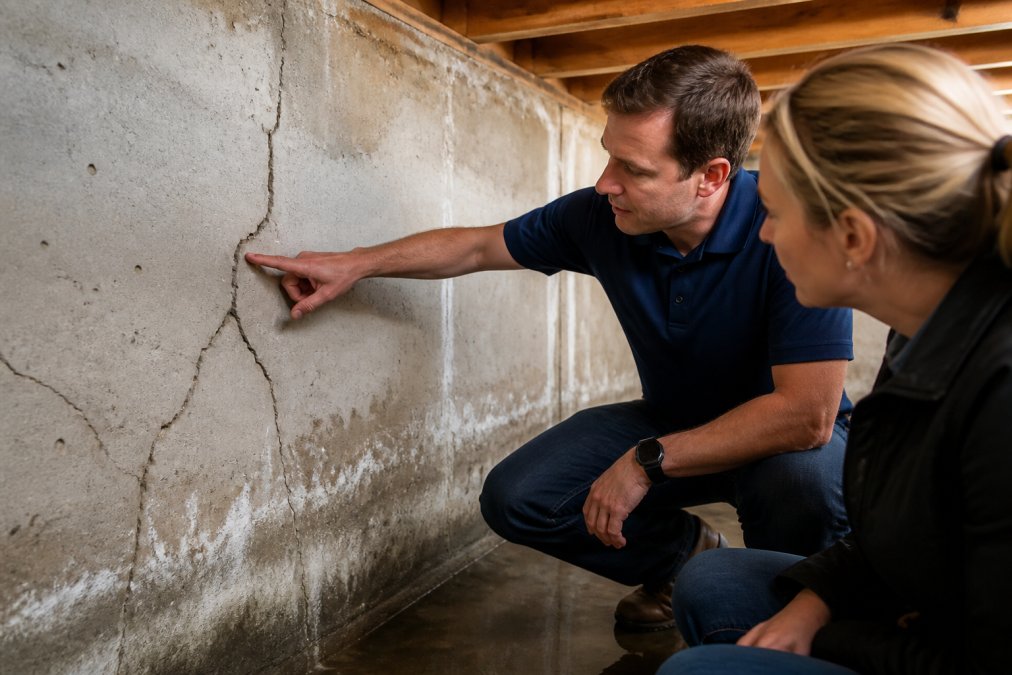
Cracks in foundation walls or concrete slabs are the most visible sign of foundation problems. Horizontal cracks, especially those wider than 1/8 inch, indicate pressure from soil movement or water intrusion and require immediate attention (asce.org). Diagonal cracks suggest structural settlement or shifting. Uneven or sagging floors often accompany foundation settlement, you might notice doors that no longer close properly or gaps appearing between walls and ceilings.
Bowing basement walls suggest the soil surrounding your foundation is exerting excessive pressure, a condition that worsens over time without intervention. This cyclical pressure gradually destabilizes foundations, particularly in older homes built before modern drainage standards.
If you notice water pooling in your basement or crawl space, that's both a symptom of foundation damage and a cause of additional structural problems. Water weakens concrete, promotes mold growth, and can lead to wood rot in floor joists and support beams. Foundation repair often goes hand-in-hand with waterproofing and drainage solutions.
Water Damage and Moisture Control
Water damage manifests in ways that many homeowners initially overlook. Soft spots in flooring, discoloration on walls or ceilings, and a persistent musty odor all indicate moisture intrusion. These signs typically appear weeks or months after the water event itself, by the time you notice them, structural damage may already be underway.
Mold remediation becomes necessary when moisture has persisted long enough to support mold growth. While surface mold can be cleaned, mold that has penetrated insulation, drywall, or wood framing requires professional removal to prevent respiratory issues and further structural decay. IICRC certification in water damage restoration ensures proper protocols for moisture assessment, drying, and remediation (iicrc.org).
Sagging or bouncing floors indicate water damage to subfloor materials or the structural joists beneath them. Wood loses strength as moisture content rises, and prolonged dampness leads to rot that compromises load-bearing capacity (peer-reviewed research). Crawl space encapsulation and basement waterproofing prevent these conditions from developing in the first place.
Fire and Smoke Damage
Structural fire damage extends far beyond visible char. Heat weakens wood framing, warps metal support beams, and can compromise the integrity of connections between structural elements. Even if flames didn't reach a particular area, heat damage may have weakened it significantly.
Smoke damage creates additional complications. Smoke odor penetrates into framing, insulation, and building materials, and simply replacing drywall won't eliminate it. Professional smoke remediation involves identifying all affected materials, removing those that cannot be salvaged, and treating surfaces that can be restored. This is why full-scale fire damage restoration typically requires structural rebuilding rather than cosmetic repair.
Residential Structural Engineering Inspection: Your First Step
Before any restoration work begins, a structural engineering assessment establishes the scope and severity of damage. This inspection differs from a standard home inspection, it focuses specifically on load-bearing systems, foundation stability, and structural safety.
A licensed structural engineer evaluates the foundation, framing, roof structure, and any areas showing visible damage. They measure settlement, assess wall deflection, and identify which components are compromised versus which are still sound. This assessment becomes the blueprint for restoration work and is essential for insurance claims, building permit applications, and financing decisions.
Many homeowners are surprised to learn that their insurance policy may require a structural engineer's report before approving a claim. The engineer's findings document the extent of damage and establish a baseline for estimating repair costs. This professional assessment also protects you, it ensures that restoration work addresses all structural issues, not just the ones visible to the naked eye.
The inspection process typically takes a few hours for a residential property. The engineer will provide a detailed written report with photographs, measurements, and recommendations for repair. This report becomes your roadmap for selecting contractors and understanding what restoration will involve. Master Builder llc. works closely with structural engineers throughout the assessment and restoration phases, ensuring that repairs meet engineering specifications and building codes.
Foundation Repair Cost Estimates and Budget Planning
Foundation repair and structural restoration represent significant investments, and understanding cost factors helps you plan realistically and avoid surprises during the project.
Several variables affect restoration costs. The extent of damage, whether you're addressing a single cracked wall or extensive settlement affecting multiple areas, directly impacts labor and materials. The repair method chosen matters too. Push piers, helical piers, and concrete injection each have different cost profiles. Soil conditions in your area influence which methods are most effective and therefore which ones contractors will recommend.
Local contractors often provide free initial inspections and written estimates. These estimates should detail the specific work to be performed, materials to be used, and timeline for completion. A reputable contractor will explain why they're recommending a particular repair method and what alternatives might be available at different price points.
Insurance coverage can significantly offset restoration costs. If damage resulted from a covered peril, a storm, fire, or sudden water event, your homeowners policy may cover a substantial portion of repairs. This is where professional restoration contractors become invaluable. They understand insurance claim processes, can provide documentation that insurers require, and often work directly with your insurance carrier to simplify approval and payment.
Master Builder llc. helps homeowners navigate the cost and budgeting questions that arise during restoration. We provide transparent estimates, explain the reasoning behind our recommendations, and coordinate with your insurance carrier to maximize coverage. Our comprehensive approach means you're not discovering hidden problems mid-project that balloon costs, we identify issues upfront and plan accordingly.
Emergency Response and 24/7 Mitigation Services
When structural damage occurs, whether from a storm, fire, or sudden water intrusion, the first hours are critical. Emergency mitigation minimizes further damage and prevents secondary problems like mold growth or additional water intrusion.
Emergency response services include emergency board-up for damaged roofs and walls, emergency tarping to prevent water entry, removal of standing water, and initial structural stabilization. These immediate actions protect your property and prevent damage from worsening while you arrange for full restoration.
Many restoration contractors offer 24/7 emergency response. This means a team can arrive within hours of your call, assess the damage, and begin mitigation work immediately. Quick response is especially important for water damage, the longer water sits, the more extensive the structural damage becomes. For fire damage, emergency board-up prevents weather exposure and theft while you arrange for reconstruction.
The emergency phase typically lasts days to weeks, depending on damage severity. Once the immediate crisis is addressed, the restoration contractor develops a comprehensive plan for structural repairs and reconstruction. This phased approach, emergency mitigation followed by planned restoration, is standard in the industry and ensures that your home is protected while detailed repair work proceeds.
Navigating Insurance Claims for Structural Restoration
Insurance claims for structural damage can feel overwhelming, particularly when you're also dealing with the stress of home damage. Understanding the process and knowing what documentation insurers require helps you move through it more efficiently.
Start by documenting the damage. Photograph and video-record all affected areas before any cleanup or repair work begins. This documentation becomes evidence for your claim and helps the adjuster understand the scope of damage. Keep receipts for any emergency mitigation work you've had done, these costs are typically covered under your policy.
Contact your insurance carrier promptly. Most policies require notice of loss within a specific timeframe. When you call, provide a clear description of what happened and when. The insurer will assign an adjuster who will visit your property to assess damage and estimate repair costs.
This is where working with an experienced restoration contractor becomes valuable. Your contractor can provide detailed damage assessments, professional repair estimates, and documentation that supports your claim. Many contractors have established relationships with insurance carriers and understand what documentation and estimates insurers will accept. They can also advocate on your behalf if there's a dispute about repair scope or cost.
Insurance companies typically issue payment in stages. You may receive an initial payment to begin emergency mitigation work, with additional payments as restoration progresses. Some policies require you to obtain multiple repair estimates; your contractor can help coordinate this process. Understanding your specific policy, what's covered, what your deductible is, and what the claims process involves, prevents surprises and keeps the restoration moving forward.
Choosing a Licensed, Insured, and Bonded Contractor
Selecting the right contractor for structural restoration is perhaps the most important decision you'll make in the restoration process. The wrong choice can result in incomplete repairs, code violations, and additional problems down the road.
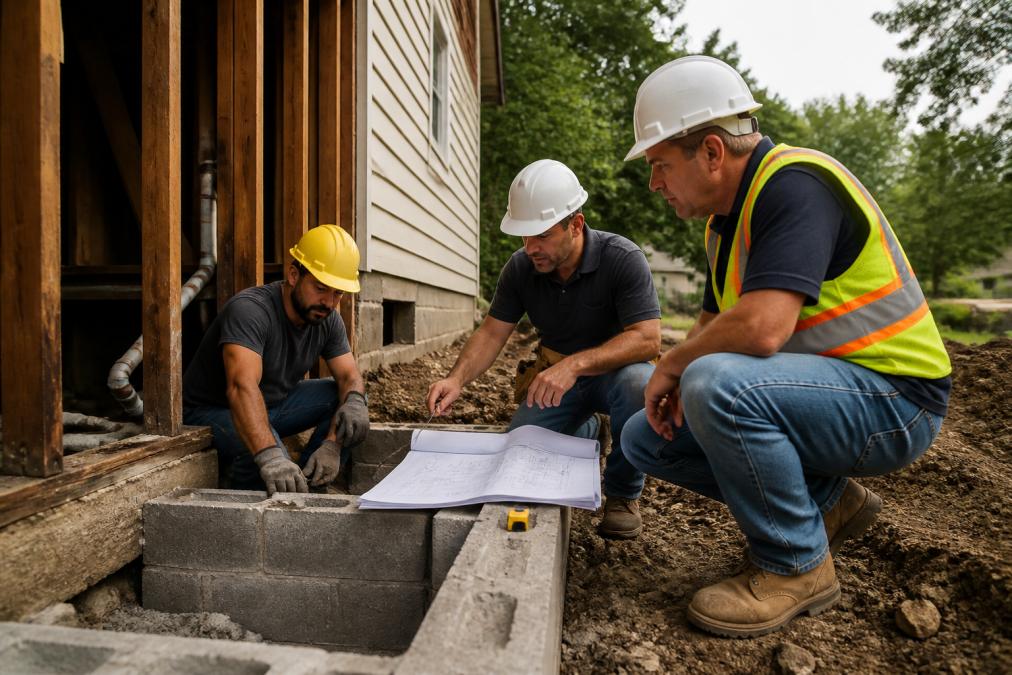
Verify licensing first. In most states, contractors performing structural work must hold a general contractor's license. This license indicates that the contractor has met education and experience requirements and has passed a licensing exam. You can verify a contractor's license status through your state's licensing board or department of professional regulation.
Insurance and bonding protect you throughout the project. General liability insurance covers damage to your property or injury to workers during the job. Workers' compensation insurance covers medical costs if a worker is injured on your site. A performance bond guarantees that the contractor will complete the work as specified; if they don't, the bonding company will ensure completion or reimburse you. Request proof of all three, license, liability insurance, and bonding, before hiring.
Check references and review past work. Ask the contractor for contact information from previous clients, particularly those who had structural restoration done. Speaking directly with homeowners gives you insight into how the contractor manages projects, communicates with clients, and handles unexpected issues. Look at photos of completed work and, if possible, visit a job site to see quality firsthand.
Understand the contractor's approach to occupied sites. Master Builder llc. specializes in working on occupied and fully operational job sites, which many contractors cannot do effectively. If you need to remain in your home during restoration, this capability is essential. Ask the contractor how they'll manage dust, noise, and access; how they'll coordinate with your schedule; and what protections they have in place for your belongings and privacy.
Get everything in writing. A detailed contract should specify the scope of work, timeline, payment schedule, warranty terms, and how changes will be handled. The contract protects both you and the contractor by establishing clear expectations. Never pay the full amount upfront, standard practice is to pay a deposit, then progress payments as work is completed, with final payment upon completion and inspection.
Master Builder llc. brings comprehensive expertise to residential structural restoration. Our collaborative approach with structural engineers and architects ensures that restoration work addresses all identified issues and meets current building codes. We manage the entire process, from initial assessment through final inspection, so you's not coordinating between multiple contractors or trying to interpret technical reports. Our ability to work efficiently on occupied sites means your life disruption is minimized while your home is being restored to safety and functionality.
Frequently Asked Questions
Q: How do I know if my home needs structural restoration?
A: Look for visible signs such as foundation cracks, uneven or sagging floors, bowing basement walls, water intrusion, mold growth, or damage from fire, storm, or water events. A residential structural engineering inspection can identify issues before they become serious. If you notice cracks wider than 1/8 inch, sloping floors, or doors and windows that no longer close properly, contact a structural specialist for an assessment.
Q: What is the difference between cosmetic repair and structural restoration?
A: Cosmetic repairs address surface-level damage like paint or drywall finishing, while structural restoration addresses the integrity of load-bearing elements such as foundations, framing, and support beams. Structural issues compromise the safety and stability of your home. Restoration involves remediation protocols, engineering assessment, and often rebuilding or stabilization of critical components to ensure building code compliance and long-term safety.
Q: How much do foundation repair cost estimates typically run?
A: Foundation repair costs vary based on the extent of damage, soil conditions, and the type of repair needed. Costs depend on your specific situation, property size, and the remediation protocols required. Contact a licensed contractor for a detailed property damage assessment and written estimate.
Q: What should I look for when choosing a structural restoration contractor?
A: Choose a licensed, insured, and bonded contractor with appropriate credentials. Verify their experience with structural integrity assessment and remediation protocols specific to your issue. Ask about their site inspection process, timeline estimates, warranty terms, and how they handle insurance coordination. Request references and check their track record with residential reconstruction projects in your area.
When structural damage threatens your home's safety and stability, choosing the right restoration partner makes all the difference. Book online with Master Builder llc. to schedule a comprehensive structural assessment and learn how our end-to-end approach ensures your restoration is completed right, on time, and with minimal disruption to your life.
This article was written using GrandRanker