
 blog
Kitchen Countertop Alternatives to Granite
Table of Contents
- Why Homeowners Look Beyond Granite Countertops
- Quartz vs Granite Cost and Performance
- Laminate Countertops: Affordability and Appearance
- Butcher Block Countertop Maintenance and Care
- Solid Surface Countertops: Pros and Cons
- Natural Stone Alternatives: Quartzite, Marble, and Soapstone
- Concrete, Tile, and Engineered Stone Options
- Choosing the Right Countertop for Your Kitchen
- Frequently Asked Questions
Last Updated: October 6, 2026
Why Homeowners Look Beyond Granite Countertops
Granite has dominated kitchen renovations for decades, but homeowners today are exploring countertop alternatives granite offers for reasons that go beyond aesthetics. Cost, maintenance demands, and the desire for something unique drive many to reconsider what surfaces actually work best for their lifestyle and budget.
The reality is that granite isn't the only option, and it's not always the best one for every kitchen.
The shift away from granite reflects changing priorities. Some homeowners want lower maintenance. Others seek distinctive looks that granite can't provide. Many are surprised to learn that alternatives to granite countertops for kitchens can deliver comparable durability at a fraction of the cost. When you factor in sealing, repairs, and long-term care, the total cost of ownership often tips in favor of other materials.
This guide covers the most practical alternatives to granite countertops for kitchens, breaking down how each performs, what it costs to maintain, and which kitchens benefit most from each choice. We'll help you move past the "granite or nothing" mindset and find the surface that actually fits your home.
Quartz vs Granite Cost and Performance
Quartz countertops have become the leading alternative to granite for a reason: engineered stone delivers granite's visual appeal without granite's maintenance burden. But the comparison between quartz vs granite cost reveals important trade-offs worth understanding.
Quartz is manufactured from crushed stone mixed with resin binders, creating a non-porous surface. This means no sealing required, ever. Granite, by contrast, is porous and demands regular sealing to resist stains and bacteria. Over a decade, that sealing adds up in both time and expense.
Performance-wise, quartz edges out granite in several categories. It resists heat better than most engineered stone surfaces, though neither quartz nor granite should face direct contact with hot pans. Quartz shows superior stain resistance since liquids can't penetrate the material. Scratches are possible on both, but quartz repairs are simpler because the surface is uniform throughout, a professional can blend a repair seamlessly.
Where granite wins is in heat tolerance at the surface level and in offering truly unique natural patterns. Each slab is genuinely one-of-a-kind. Quartz patterns, while beautiful, repeat across production batches.
Installation costs for both materials run similarly, but quartz requires less site preparation since it doesn't need sealing post-installation.
| Attribute | Quartz | Granite |
|---|---|---|
| Sealing Required | Never | Every 1-3 years |
| Stain Resistance | Excellent | Good (if sealed) |
| Heat Tolerance | Good | Excellent |
| Scratch Resistance | Good | Good |
| Uniqueness | Pattern repeats | Truly one-of-a-kind |
| Maintenance Ease | Very easy | Moderate |
Laminate Countertops: Affordability and Appearance
Laminate remains the most budget-friendly countertop material, and modern laminates have shed their 1980s reputation. Today's high-pressure laminates can convincingly mimic natural stone, wood, and concrete finishes.
The core appeal is straightforward: laminate costs a fraction of granite or quartz. Installation is fast and straightforward. Cleaning requires nothing more than mild soap and water. For homeowners renovating on a tight budget or updating a rental property, laminate delivers practical functionality.
The trade-offs are real, though. Laminate is vulnerable to moisture damage if water penetrates the seams. Scratches and burns don't repair invisibly, they're permanent marks on the surface. Heat resistance is limited; hot pans placed directly on laminate can scorch or warp the material. The surface isn't as durable as stone alternatives and typically lasts 10-15 years before replacement becomes necessary.
Laminate works best in kitchens with moderate use, secondary kitchens, rental properties, or temporary solutions while saving for an upgrade. In a primary residence where the countertops see heavy daily use, the durability limitations become apparent within a few years.
Butcher Block Countertop Maintenance and Care
Butcher block brings warmth and natural beauty that stone can't match. Wood countertops create a kitchen that feels lived-in and authentic, but only if you're willing to maintain them properly.
Butcher block requires regular oiling to prevent drying and cracking. Most manufacturers recommend oiling every month or two with food-grade mineral oil. This isn't a one-time task; it's an ongoing commitment.
Water is butcher block's primary enemy. Spills must be wiped immediately. Standing water, wet cutting boards left in place, or a leaky faucet can cause swelling, warping, or rot. Kitchens with high moisture or heavy sink traffic aren't ideal for wood countertops.
Stains happen on wood. Acidic foods like lemon juice and wine can bleach the surface. Coffee and red sauces leave marks. Some homeowners embrace the patina that develops over time, the marks become part of the character. Others find it frustrating.
Heat resistance is moderate. Hot pans shouldn't sit directly on the surface, though wood is more forgiving than laminate. Cutting directly on the wood is actually recommended, the surface naturally heals small knife marks as the wood fibers settle.
Butcher block works best for homeowners who appreciate the maintenance ritual and want a kitchen with genuine character. It's excellent for cooks who value the traditional feel and don't mind the care requirements.
Solid Surface Countertops: Pros and Cons
Solid surface materials like Corian blend the non-porous benefits of engineered stone with design flexibility that sets them apart. These acrylic-based surfaces are manufactured in sheets and can be seamlessly joined, creating countertops without visible seams.
The seamless design is the primary advantage. Solid surfaces can be shaped, curved, and integrated with the backsplash and sink in ways that stone can't match. This opens creative design possibilities and eliminates crevices where bacteria can hide. Cleaning is simple, warm soapy water is sufficient.
Repairability is another strength. Unlike granite or quartz, minor scratches and burns can often be sanded out and refinished. A professional can restore the surface to near-original condition.
The drawbacks center on heat and appearance. Solid surfaces aren't as heat-resistant as stone. A hot pan can damage or discolor the surface. The aesthetic appeal, while clean and modern, lacks the depth and natural variation of stone. Some homeowners find solid surfaces feel too uniform or plastic-like compared to natural materials.
Cost sits in the mid-range, more than laminate, less than premium granite or quartz. The seamless installation and repairability often justify the price for homeowners prioritizing durability and low maintenance.
Solid surface countertops suit modern kitchens where clean lines and integrated design elements matter. They're ideal for homeowners who want stone-like performance without the maintenance burden of natural materials.
Natural Stone Alternatives: Quartzite, Marble, and Soapstone
When considering countertop alternatives granite can't match, quartzite, marble, and soapstone emerge as compelling options, each with distinct characteristics that shape how they perform.
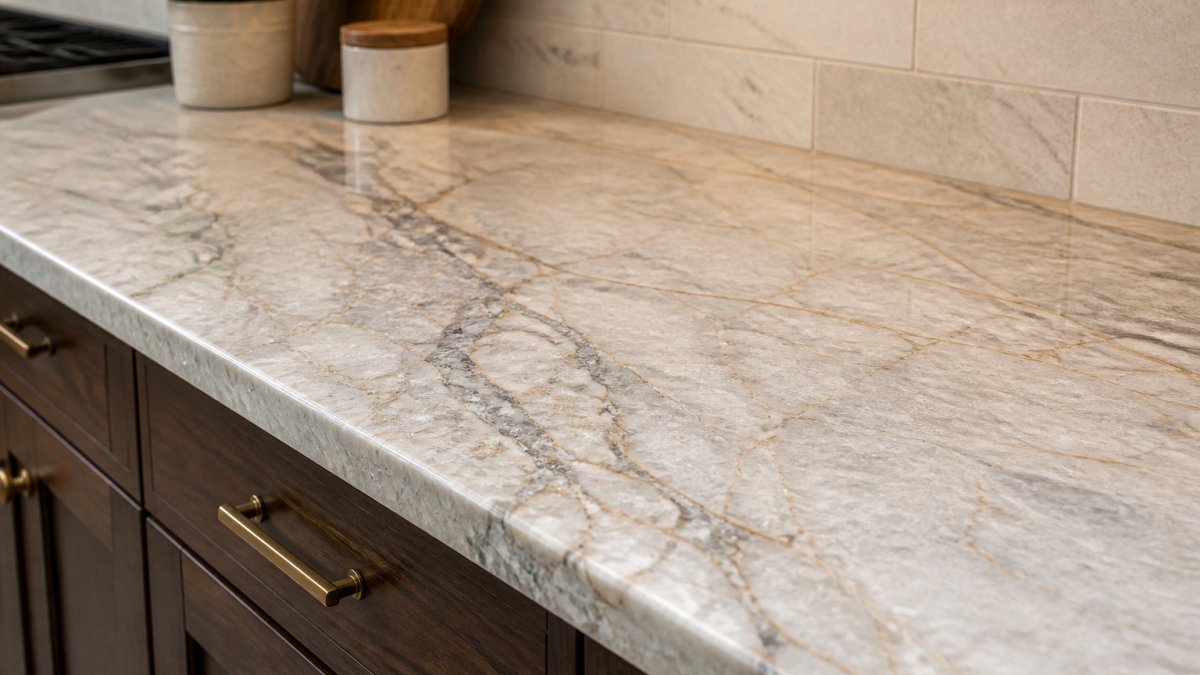
Quartzite is a metamorphic rock harder than granite, making it one of the most durable countertop materials available. It resists scratches better than granite and offers natural veining that rivals marble in beauty. The trade-off is cost, quartzite typically runs higher than granite. Like granite, it's porous and requires regular sealing.
Marble delivers unmatched elegance with its soft, flowing veining and refined appearance. But marble is softer than granite and more vulnerable to etching from acidic foods and liquids. Wine, lemon juice, and vinegar can dull the polished surface permanently. Marble demands careful use and frequent sealing.
Soapstone is softer still, but it develops a rich patina over time that many homeowners find beautiful. Unlike granite or marble, soapstone doesn't require sealing. It's naturally antimicrobial, making it hygienic for food preparation.
Each natural stone alternative to granite countertops for kitchens brings different priorities into focus. Quartzite suits homeowners who want stone durability without compromising on appearance. Marble appeals to those willing to accept higher maintenance for uncompromising beauty. Soapstone rewards homeowners who embrace patina and value low-maintenance durability.
Concrete, Tile, and Engineered Stone Options
Beyond the mainstream alternatives, concrete, tile, and engineered stone surfaces offer distinctive looks and practical benefits for specific kitchen styles.
Concrete countertops deliver industrial aesthetics and complete customization. They can be tinted, textured, embedded with glass or stone, and shaped to fit any design vision. Concrete is durable and heat-resistant. The catch is that concrete is porous and requires regular sealing, similar to granite. It can crack over time as the material settles and expands with temperature changes. Repairs are visible.
Tile countertops offer color, pattern, and design flexibility unmatched by solid surfaces. Individual tiles can be replaced if damaged. Grout lines between tiles can be a challenge, though, they trap debris and require regular cleaning. Grout can stain and harbor bacteria if not sealed properly. Tile works well as a backsplash or accent but is less practical as a primary work surface in high-traffic kitchens.
Engineered stone surfaces beyond quartz, including porcelain slabs and sintered stone, are gaining traction. These materials combine durability with minimal maintenance. Porcelain slabs are non-porous, extremely hard, and available in large format designs that minimize seams. Sintered stone is made by compressing natural minerals under extreme heat and pressure, creating a surface harder than granite with superior stain and heat resistance. Both materials cost more than quartz but deliver performance advantages in demanding kitchens.
Choosing the Right Countertop for Your Kitchen
The best countertop material depends on three factors: how you use your kitchen, what you're willing to maintain, and what your budget allows.
Start with use patterns. A primary kitchen where you cook daily demands durability and stain resistance. Quartz, quartzite, or engineered stone excel here. A secondary kitchen or casual space can accommodate lower-maintenance options like laminate.
Next, honestly assess maintenance tolerance. Granite, marble, soapstone, and concrete all require regular care. If sealing countertops every year feels like a burden, engineered surfaces like quartz or solid surface materials eliminate that task.
Budget shapes the final decision. Laminate offers maximum affordability. Mid-range options include quartz, solid surface, and concrete. Premium choices are natural stone and high-end engineered materials.
Master Builder llc. helps homeowners navigate these decisions by connecting material choices to actual kitchen workflows. The right surface is the one that matches how you actually live.
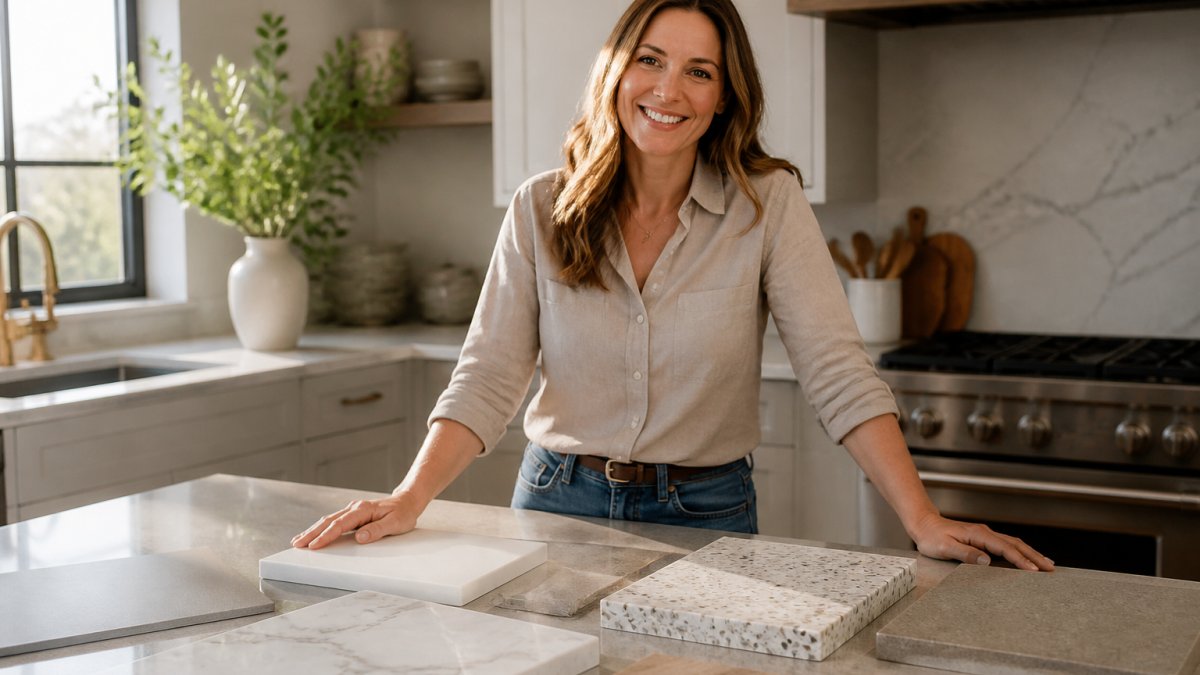
Consider your kitchen's light, your design preferences, your cooking habits, and your maintenance commitment. Test samples in your space under different lighting conditions. Talk to neighbors or friends who have chosen specific materials and ask what they'd do differently.
Choosing the right countertop material shapes your kitchen experience for years. Master Builder llc. partners with homeowners and designers to ensure countertop selections align with both aesthetic vision and practical reality.
Frequently Asked Questions
What is a good substitute for granite countertops?
Quartz, quartzite, laminate, and solid surface materials all serve as strong alternatives to granite countertops. Quartz and quartzite offer similar durability and aesthetics with engineered or natural stone finishes. Laminate provides an affordable option with granite-like appearance. Solid surface countertops deliver seamless integration and easy repair. The best choice depends on your budget, maintenance tolerance, and kitchen use case. Master Builder LLC can help evaluate which material aligns with your renovation goals and long-term expectations.
What looks like granite but is cheaper?
Laminate countertops and engineered quartz offer the most affordable granite-like appearance. Laminate mimics granite patterns through high-resolution printing and costs significantly less than natural stone. Engineered quartz combines crushed stone with resin to replicate granite's look while offering superior stain and scratch resistance at a lower price point than solid granite slabs. Both materials deliver visual appeal without the premium cost of natural granite installation.
Are laminate countertops a good alternative to granite?
Laminate countertops work well as an alternative if budget is the priority and you accept trade-offs. They resist stains better than wood and cost substantially less than granite or quartz. However, laminate cannot match granite's heat resistance, scratch durability, or longevity, seams are visible, and damage requires full section replacement rather than localized repair. For kitchens with moderate use, laminate delivers acceptable performance; for high-traffic or high-end finishes, engineered quartz or natural stone alternatives provide better long-term value.
Which kitchen countertop material is the most durable?
Engineered quartz and natural quartzite rank among the most durable countertop materials, resisting heat, scratches, stains, and impact better than most alternatives. Granite also performs exceptionally well but requires periodic sealing. Butcher block and laminate are the least durable and demand more frequent maintenance. Concrete and tile fall in the middle, concrete is durable but needs sealing, while tile's grout lines can crack or stain. Your kitchen's use intensity and maintenance commitment should guide material selection.