
 comparison
CDA Construction Alternatives for Home Remodels
Table of Contents
- Why Homeowners Seek Construction Alternatives
- How to Compare Contractor Bids and Service Models
- General Contractor Vetting Checklist
- Understanding Residential Construction Project Timeline
- Key Differences in Contractor Specializations
- Evaluating Cost and Quality Standards
- Making Your Final Selection
- Frequently Asked Questions
Last Updated: September 21, 2026
Why Homeowners Seek Construction Alternatives
When you're planning a significant home remodel, the contractor you choose shapes everything: your timeline, your budget, your stress level, and ultimately the quality of work in your home. Many homeowners in the market for CDA Construction alternatives for home remodels discover that the first contractor they call isn't always the best fit. Sometimes it's about specialization. Other times, it's about availability or communication style. The real issue is that homeowners often don't know what to compare until they've already invested time in conversations with multiple firms.
At Master Builder llc., we've worked with homeowners who initially approached other general contractors, only to discover they wanted a different approach. That experience taught us what actually matters when evaluating CDA Construction alternatives for home remodels. It's not just price. It's not just reputation. It's whether a contractor can manage your specific project type, communicate clearly, and deliver on promises without surprises.
This guide walks through the actual decision framework homeowners should use when comparing contractors. We'll cover what to look for, how to vet qualifications, and what separates a contractor that works on your schedule from one that disrupts your life.
How to Compare Contractor Bids and Service Models
Comparing bids from different contractors feels straightforward until you realize they're often quoting different scopes of work. One bid might include design consultation. Another might assume you're bringing your own architect. A third might include project management, while a fourth leaves that to you.
The first step is ensuring you're comparing apples to apples. Send each contractor the same detailed project brief. Include your vision, any existing plans, your timeline, and your budget range. Ask each firm to return a bid that covers the same scope. If they're bidding different things, the numbers are meaningless.
Beyond the numbers, pay attention to how each contractor breaks down their bid. A detailed estimate shows they've thought through every phase. Vague line items like "labor" or "miscellaneous" signal they haven't planned carefully. When you see CDA Construction alternatives for home remodels broken down with specificity, framing, electrical rough-in, finish carpentry, inspections, you're looking at a contractor who's done this work before and knows what it takes.
Also examine the timeline each contractor proposes. A bid that seems rushed might be because they're overscheduled. A timeline that seems unrealistic might signal they don't understand your project's complexity. Ask each contractor to explain their scheduling assumptions. Do they work sequentially or in parallel phases? How do they handle inspections and permitting delays?
| Comparison Factor | What to Look For | Red Flag |
|---|---|---|
| Bid Breakdown | Itemized by trade and phase | Vague categories like "labor" |
| Timeline | Realistic, with contingency buffer | Unrealistically compressed |
| Scope Clarity | Matches your project brief exactly | Assumes or omits key elements |
| Communication | Responds promptly to questions | Slow or unclear responses |
| References | Verifiable past clients | Reluctant to provide contacts |
General Contractor Vetting Checklist
Before you sign a contract with any contractor, whether it's a well-known firm or a company offering CDA Construction alternatives for home remodels, run through this checklist. It takes an hour and saves you thousands in headaches.
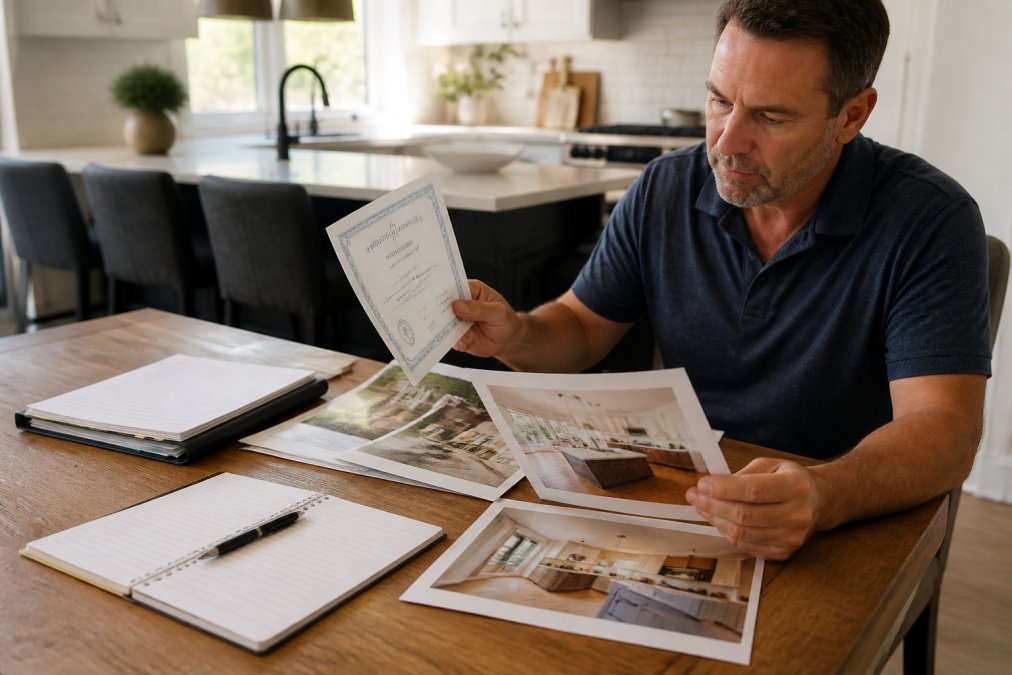
Licensing and Insurance Verify that the contractor holds a current general contractor license in your state. Call your state's licensing board directly rather than trusting the contractor's word. Confirm they carry general liability insurance and workers' compensation coverage. Ask to see certificates of insurance. A contractor who hesitates to provide these documents is someone to avoid.
References and Past Work Request at least three references from projects similar in scope to yours. Call them. Ask specific questions: Did the project stay on budget? Did it finish on time? How was communication? Were there surprises? Ask to see photos of completed work. If the contractor resists showing you actual projects, that's a signal.
Permits and Code Compliance Ask how the contractor handles permitting. Do they pull permits, or do you? Who's responsible for inspections? A contractor experienced with residential construction knows local codes and inspection requirements. They should explain this clearly without being defensive.
Subcontractor Management Most remodels involve multiple trades: plumbing, electrical, HVAC, finish carpentry. Ask the contractor how they manage subcontractors. Do they vet them? How do they ensure quality? What happens if a sub doesn't show up or does poor work? A contractor offering CDA Construction alternatives for home remodels should have established relationships with reliable subs and clear processes for quality control.
Change Order Process Ask about their process for handling changes. What happens if you decide mid-project you want different tile? Or if unforeseen structural issues emerge? A good contractor has a clear, documented process for change orders that protects both of you.
Warranty and Guarantees What warranty do they offer on their work? One year? Five years? What's covered? Structural work typically warrants longer than cosmetic finishes. Ask for their warranty in writing before signing.
Understanding Residential Construction Project Timeline
One of the biggest sources of frustration with home remodels is timeline creep. A project that was supposed to take six weeks stretches to four months. For homeowners with businesses or families, that disruption is costly.
Understanding realistic timelines helps you set expectations and spot contractors who are either overpromising or underestimating complexity. A residential construction project timeline depends on several factors: project scope, permitting requirements, material lead times, and whether the site is occupied.
For a kitchen remodel in an occupied home, typical phases include design and planning, permitting, demolition and prep, rough-in work like electrical and plumbing, framing or structural work, inspections, finish work like cabinetry and flooring, and final touches and cleanup. The overall timeline depends on project scope, permitting requirements, and material lead times.
One major advantage of contractors who specialize in occupied site work, like Master Builder llc., is their ability to manage the residential construction project timeline without forcing you to vacate. This requires careful sequencing, dust containment, and coordination. A contractor unfamiliar with this approach might recommend you move out temporarily, which adds cost and hassle.
Material delays are the biggest wildcard. If you're specifying custom cabinetry with a 12-week lead time, that determines your start date. A contractor who doesn't account for this in their timeline is setting you up for delays. Ask each contractor how they factor in material lead times.
Key Differences in Contractor Specializations
Not all general contractors are created equal. Some excel at kitchen remodels. Others specialize in whole-home renovations. Some focus on commercial work. Some are experts in structural repairs. Understanding these specializations matters because a contractor's strength in one area doesn't guarantee competence in another.
Design-Build vs. Traditional General Contracting
A design-build firm combines architecture and construction under one roof. You work with a single point of contact who manages both design and building. This simplifies communication and reduces finger-pointing if something goes wrong. The tradeoff is less flexibility if you already have an architect or designer you want to work with.
Traditional general contracting separates design and construction. You hire an architect or designer first, then a contractor to build their plans. This model gives you more control over the design process and lets you shop for a contractor based purely on construction capability. The tradeoff is more coordination between parties.
For CDA Construction alternatives for home remodels, design-build works well if you're starting from scratch and value simplicity.
Full-Service Project Management and Occupied Site Work
Some contractors offer project management as a service layer on top of construction. They handle scheduling, subcontractor coordination, inspections, and client communication. Others expect you to manage these tasks yourself or hire a separate project manager.
Evaluating Cost and Quality Standards
Price is a factor in choosing a contractor, but it's rarely the deciding factor for homeowners who've had bad experiences. A cheap contractor who cuts corners costs far more in rework and stress than a quality contractor costs upfront.
Making Your Final Selection
After gathering bids, checking references, and vetting qualifications, you'll likely have narrowed the field to two or three contractors. At this point, the decision often comes down to trust and communication.
Frequently Asked Questions
What should I look for when hiring a general contractor for a home remodel?
Verify licensing and insurance first, this protects you legally. Review their portfolio of completed projects similar to yours. Ask for references and call at least three past clients. Confirm they have experience managing timelines on occupied sites if that's your situation. Request detailed written estimates that break down labor, materials, and contingencies. A strong contractor will explain their project management process and how they handle communication with architects, designers, and subcontractors.
How do I compare contractor bids accurately?
Request detailed estimates from at least three contractors using the same project specifications. Compare line-item breakdowns, not just total price. Check what's included: design consultation, permits, material sourcing, and warranty coverage. Ask each contractor to explain their timeline and staffing approach. Note which bids include contingencies for unforeseen issues. The lowest bid isn't always best, evaluate the contractor's communication style, responsiveness, and whether they've answered all your questions clearly.
What is a typical residential construction project timeline?
The timeline for a residential construction project depends on several factors, including project scope, permitting requirements, and material lead times. Occupied sites often take longer due to phasing requirements and working around business or family schedules. Weather, permit delays, and material availability can extend timelines. A reputable contractor builds realistic schedules with clear milestones and communicates delays early.
How do I know if a contractor can actually manage work on an occupied site without disrupting my business?
Ask the contractor for examples of occupied-site projects they've completed. Request references from business owners or homeowners who continued operations during renovation. Discuss their phasing strategy, how they'll isolate work areas, manage noise and dust, and coordinate with your schedule. Ask about their staffing and whether they assign a dedicated project manager. Confirm they have experience with permit requirements for working in occupied spaces. A contractor experienced in occupied-site work will have detailed answers and proven systems.
What guarantees should a contractor provide on workmanship and materials?
Ask what warranty they offer on their work. Request this in writing before work begins. Ask what happens if issues arise after the project concludes. A contractor confident in their quality will stand behind their work with clear, documented guarantees.