 comparison
Affordable Bathtub Replacement Alternatives That Save Money
Last Updated: November 7, 2026
Quick Summary
Affordable bathtub replacement alternatives include tub cut-outs at $500 to $1,500, professional refinishing at $300 to $600, and DIY refinishing kits at $80 to $120 in materials. A like-for-like tub replacement runs about $1,200 to $2,500, while prefab walk-in showers cost $2,000 to $5,000 installed. Compare installed cost, not sticker price, since demolition, plumbing, and disposal add to the total.
- A tub cut-out converts a standard tub into a step-in version without replacing the tub itself.
- Refinishing wins when the tub is structurally sound and only the surface is worn.
- A custom curbless shower runs $5,000 to $10,000 installed.
- A roll-in shower costs $6,000 to $12,000 installed for wheelchair users.
- Ask every quote whether demolition, disposal, plumbing relocation, and permits are included.
Table of Contents
- Comparing Affordable Bathtub Replacement Alternatives by Installed Cost
- Bathtub Refinishing vs Replacement: Which Makes Sense for Your Tub
- Types of Bathtub Materials and How They Affect Long-Term Cost
- Tub Liners, Overlays, and Cut-Outs: Low-Disruption Options
- Bathtub Alternatives for Seniors That Prioritize Safety
- Is a Portable Bathtub a Practical Alternative?
- Hidden Costs, Timeline, and Disposal to Plan For
- Book a Bathroom Assessment with Master Builder LLC
- Frequently Asked Questions
Comparing Affordable Bathtub Replacement Alternatives by Installed Cost
Affordable bathtub replacement alternatives start with knowing the real installed price of each option, not the sticker price on a kit. The cheapest-looking option often carries the biggest surprise, so it pays to review these numbers before any work begins.
Here is the range that matters most. A similar-tub replacement runs about $1,200 to $2,500, while complex layout changes can push past $2,500, according to Mesa Shower's 2026 bathtub replacement cost data. Refinishing, liners, cut-outs, and shower conversions all land in different places on that scale.
What Each Option Actually Costs
Installed cost is the number to compare, because it includes labor, materials, demolition, and disposal. A tub cut-out is estimated at $500 to $1,500, while kits run $2,000 to $5,000, per Porchlight at Home's walk-in tub alternatives comparison. A prefab walk-in shower kit is listed at $2,000 to $5,000 with professional installation taking one to two days. A custom curbless shower runs $5,000 to $10,000.
| Option | Installed Cost Range | Disruption Level | Best For |
|---|---|---|---|
| Tub cut-out | $500-$1,500 | Low, one day | Keeping the tub, adding access |
| Professional refinishing | $300-$600 | Low | Sound tub, worn surface |
| DIY refinishing kit | $80-$120 in materials | Moderate | Handy homeowners on a tight budget |
| Acrylic tub liner | Contact for pricing | Low to moderate | Avoiding full removal |
| Prefab walk-in shower | $2,000-$5,000 | Moderate, 1-2 days | Aging in place |
| Custom curbless shower | $5,000-$10,000 | High | Long-term accessibility |
| Like-for-like tub replacement | $1,200-$2,500 | Moderate | Cracked or failing tub |
If you are weighing the whole bathroom rather than just the tub, our guide to 10 cheap bathroom renovation ideas on a budget covers where else the money can stretch.
Installed Cost of Bathtub Replacement Alternatives
Bathtub Refinishing vs Replacement: Which Makes Sense for Your Tub
Refinishing wins when the tub is structurally sound and only the surface is tired. Replacement wins when the tub is cracked, flexing, or leaking at the drain. That distinction decides the question more often than price does.
When Refinishing Is the Smarter Spend
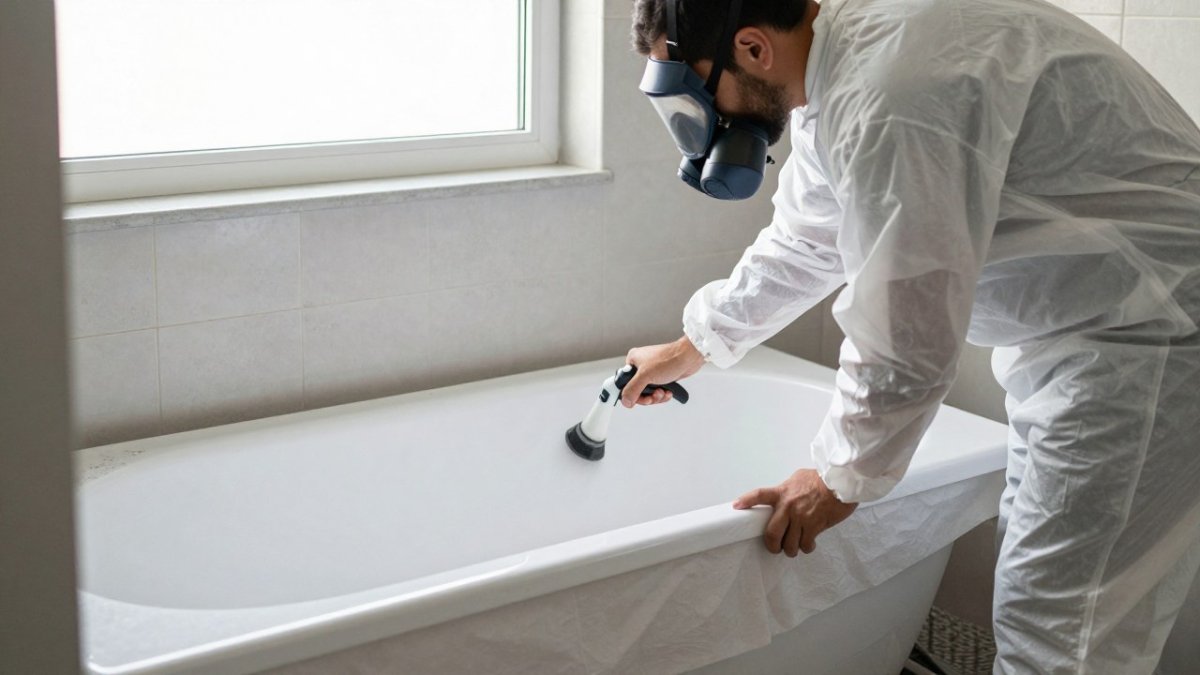
A professional refinishing job runs $300 to $600, and a DIY kit costs $80 to $120, according to Bath Works' refinishing versus replacement cost comparison.
If the tub holds water, has no flex underfoot, and the finish is the only problem, refinishing may be an option.
If you like comparing refinish-or-replace decisions side by side, our breakdown of refinishing versus replacing hardwood floors uses the same cost framework on a different surface.
Watch out: a DIY kit applied over a damp or poorly etched surface will peel within a season, and stripping it costs more than the kit saved.
Types of Bathtub Materials and How They Affect Long-Term Cost
Material choice drives lifespan, repair cost, and installation weight. The affordability question is really cost per year of service: a tub that costs less upfront and needs replacing twice in the same window is not the cheaper option.
- Acrylic: Light, warm to the touch, resistant to chips, but can flex and scratch. Material choice affects installed cost and service life, so ask for a quote tailored to your tub.
- Fiberglass: Can crack and fade over time, with service life depending on use and installation.
- Steel: Enamel over a steel shell, which can chip over time.
- Cast iron: Heavy, and the floor and framing must be able to carry the weight.
- Copper: A specialty material that requires particular maintenance.
Clawfoot tubs generally range from $1,000 to $4,000, with acrylic on the lower end and cast iron or copper on the higher end, per Badeloft's 2026 bathtub alternatives guide.
Cost Per Year, Not Sticker Price
The floor structure has to support the weight of heavier tubs, and that check belongs in the planning stage. Comparing options by expected service life and annual maintenance can help you judge total cost, not just the upfront quote.
Refinishability Extends Service Life
Enameled surfaces, such as steel and cast iron, can be professionally refinished when the finish wears, adding years of service for a fraction of replacement cost. Acrylic and fiberglass are harder to refinish reliably and are more often replaced when they fail, which raises their cost per year.
Structural and Compatibility Checks
Material choice is also a compatibility question. A heavier tub may require floor framing that can carry the weight, and grab bars need solid blocking behind the wall finish regardless of material. A like-for-like swap in the same footprint is simplest; a change in material or size can trigger plumbing, framing, and finish work that changes the installed price.
Tub Liners, Overlays, and Cut-Outs: Low-Disruption Options
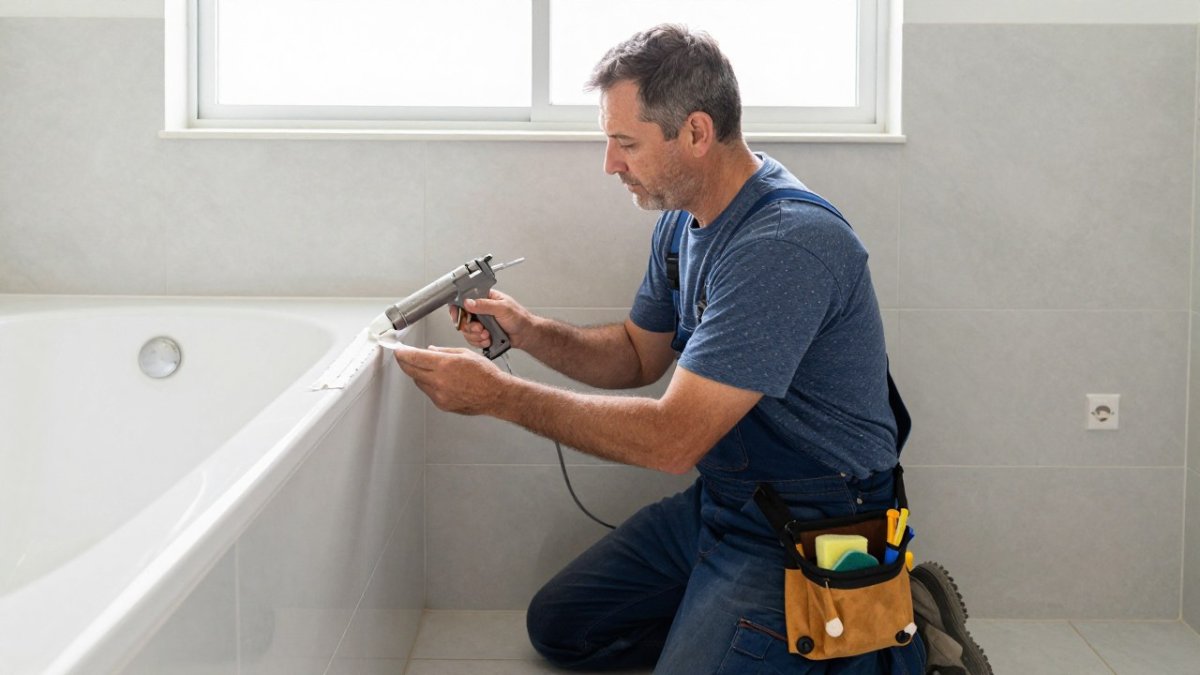
Liners and overlays cover the existing tub instead of removing it, and cut-outs modify the tub wall for easier entry. All three avoid the demolition and disposal that a full replacement requires.
Acrylic bath liners fit over the existing tub and are typically more affordable than a full bath-fitter-style replacement, according to TRC Home Improvements' bath fitter alternatives guide. A tub cut-out, at $500 to $1,500, converts a standard tub into a step-in version without replacing the tub itself. That makes it the least expensive accessibility modification on this list.
The trade-off is honesty about condition. A liner over a tub with a slow leak traps moisture and hides the failure until the subfloor tells you. A cut-out on a tub that is already flexing adds a seam to a shell that cannot take it.
Bathtub Alternatives for Seniors That Prioritize Safety
Safety for older homeowners comes down to three things: no step-over, grab bars anchored to framing, and a slip-resistant floor. A roll-in shower delivers all three for wheelchair users, at an installed cost of $6,000 to $12,000, per Porchlight at Home's accessibility alternatives breakdown.
Walk-in tubs solve the same problem with a seated bathing position and a door, but they cost more and require a longer fill and drain cycle. A tub cut-out is the budget path to a step-in tub, and it keeps the tub the household already knows.
For aging in place, common priorities include grab bars, slip resistance, and removing the step-over.
Is a Portable Bathtub a Practical Alternative?
A portable bathtub is practical for renters, small bathrooms, and temporary needs, not as a permanent replacement for a built-in tub. These are freestanding or inflatable units that fill from a shower hose or a faucet and drain to a nearby drain or pump.
They work for soaking in a bathroom with only a shower stall, for short-term recovery, or for a guest space. They do not solve accessibility, they take time to fill and empty, and they need somewhere for the water to go. For a homeowner planning a remodel, a portable tub is a stopgap, not a substitute for a proper soaking tub or shower conversion.
Hidden Costs, Timeline, and Disposal to Plan For
The line items that blow up a bathtub budget are the ones nobody quotes upfront. Two options with the same sticker price can land thousands of dollars apart once demolition, plumbing, and disposal are counted.
Demolition and Disposal
Removing an old tub is labor most homeowners don't plan for. A cast iron tub can weigh several hundred pounds and often has to be cut or broken out, adding labor and hauling charges. Fiberglass and acrylic tubs are lighter but bulky, and many haulers charge by volume rather than weight. Demolition and disposal commonly add a few hundred dollars on top of the installation quote, with cast iron at the high end. Resurfacing and liners avoid this cost almost entirely because the old tub stays in place, which is part of why their installed prices look lower.
Plumbing Corrections
A new drain location, a valve replacement, or a surprise behind the wall can change the scope after demolition. Moving a drain even a few inches means cutting into the subfloor and reworking the trap, priced by the hour once the wall is open. A like-for-like swap in the same footprint usually avoids plumbing changes; a shower conversion or layout change almost always triggers them. Ask for a quote that states whether plumbing relocation is included or billed as a change order.
Subfloor and Framing Repair
Water damage under a leaking tub is common and rarely visible until demolition. Soft subfloor sections have to be cut out and replaced before any new tub or shower pan goes down, and grab bars need solid blocking behind the wall finish. A heavier tub, such as cast iron, may also require floor framing that can carry the weight. Hold a contingency rather than assume the quote is final.
Wall and Floor Repair
Tile, surround, and flooring rarely survive a tub swap untouched. A like-for-like replacement in the same alcove may need only minor patching, while a shower conversion typically requires new wall substrate, waterproofing, and finish. That finishing work is often the largest variable between two options that looked similar on paper.
Permits and Inspection
Plumbing changes commonly require a permit and inspection, and the fee and timeline vary by jurisdiction. A like-for-like swap with no plumbing change may not require one, while a conversion or relocation usually does. Build the permit cost and the inspection wait into the schedule, not just the budget.
Timeline and Bathroom Downtime
Installation timelines vary by option and by the scope of the project, and a custom curbless shower involves framing, waterproofing, tile, and cure time. Ask for a timeline with your quote, and allow for lead time on materials.
How to Compare Quotes Fairly
Ask every quote to state four things: whether demolition and disposal are included, whether plumbing relocation is included or billed as a change order, whether subfloor repair is priced or held as a contingency, and whether permits and inspection are in the number. Two quotes that answer those four questions the same way can be compared directly; two that do not are not really the same price.
Two of our guides cover this ground in more detail: preventing hidden fees in home remodeling and how to avoid hidden construction costs.
Book a Bathroom Assessment with Master Builder LLC
The fastest way to know which affordable bathtub replacement alternatives fit your bathroom is a walkthrough with someone who has opened the wall before. A bathroom assessment can review the tub, subfloor, plumbing, and framing before work begins.
Master Builder llc. manages projects from planning through final execution, and works with architects and designers on occupied and operating sites with minimal disruption.
If your tub is cracked, flexing, or leaking, refinishing will not fix it, and another season of waiting will cost more than the repair. Get a clear answer on what your bathroom needs before committing to materials. Master Builder llc. offers end-to-end project management and works collaboratively with architects and designers.
Get in touch with our team to schedule your bathroom assessment and lock in a scope before work begins.
Frequently Asked Questions
Is it cheaper to refinish a bathtub or replace it?
Refinishing generally costs less than replacement, but pricing depends on the scope of the project. For a quote, contact Master Builder llc. Refinishing only makes sense if the tub shell is structurally sound; cracked or flexing tubs need replacement, not a new surface.
What are affordable bathtub replacement alternatives for seniors?
A tub cut-out keeps the existing tub while adding a low step-through entry, and a roll-in shower can provide wheelchair access. Pricing depends on the scope of each option; for a quote, contact Master Builder llc.
Can you put a new tub liner over an old bathtub?
Acrylic bath liners are designed to fit over an existing tub, but a liner can hide rather than fix underlying problems. Ask for the materials, installation details, and any warranty terms in writing before committing.
Are portable bathtubs a practical alternative to a built-in tub?
Portable tubs can suit temporary or rental situations, but they are not a substitute for a permanent tub in a remodel. They take up floor space when filled and need draining and storage.