
 how-to
What Is the Role of a General Contractor
Table of Contents
- What a General Contractor Does
- General Contractor Responsibilities on Site
- General Contractor vs Subcontractor
- How a General Contractor Manages a Project Timeline
- General Contractor Cost and Fees
- General Contractor Hiring Red Flags
- Frequently Asked Questions
Last Updated: October 12, 2026
What a General Contractor Does
Understanding what is the role of a general contractor is essential: they are the primary leader responsible for overseeing an entire construction project from start to finish. They coordinate all aspects of the work, from hiring and managing subcontractors to ensuring the project stays on schedule and within budget.
The role of a general contractor spans far more than simply showing up on site. You're managing timelines, coordinating multiple trades, handling permits, controlling costs, and ensuring quality workmanship. A good general contractor acts as the single point of contact between you, your architect or designer, and every subcontractor involved in the project.
Here's what this role actually involves:
- Reviewing project plans and specifications with architects or designers
- Obtaining necessary permits and scheduling inspections
- Hiring and coordinating subcontractors and specialized tradespeople
- Ordering materials and equipment for the job site
- Managing the project budget and controlling costs
- Ensuring work meets building codes and quality standards
- Communicating progress and changes to the client
- Handling safety protocols and site organization
- Solving problems that arise during construction
- Managing the project schedule and timeline
General Contractor Responsibilities on Site
When you hire a general contractor, you're delegating the operational control of your project. This means the contractor is responsible for the daily decisions, labor coordination, and quality oversight that keep construction moving forward safely and correctly.
Planning and Scheduling Construction Work
Before a single nail is driven, a general contractor develops a detailed project schedule.
Scheduling requires understanding how trades interact. Framing can't start until the foundation is cured. Electrical rough-in must happen before drywall. Plumbing needs to be tested before walls are closed.
For occupied spaces, whether a business that needs to stay open or a home where you're still living, scheduling becomes even more critical.
The contractor also builds in contingency time. Weather delays, material shortages, and unexpected site conditions are inevitable. A realistic schedule accounts for these factors rather than promising an impossible timeline.
Managing Project Budgets and Cost Control
The general contractor prepares a detailed cost estimate and then manages expenses throughout the project. This involves tracking labor costs, material prices, equipment rental, and subcontractor fees to ensure the project stays within the approved budget.
Cost control isn't about cutting corners, it's about making smart decisions. A contractor negotiates material prices, schedules deliveries efficiently to avoid waste, and prevents costly rework by catching mistakes early.
Many homeowners and business owners worry about unexpected costs. What is the role of a general contractor in this regard? It includes protecting you from surprises by identifying potential issues during the planning phase and communicating clearly about what's included in the contract and what isn't.
Obtaining Permits and Coordinating Inspections
Building permits and inspections exist to protect you. They ensure your project meets local building codes and safety standards. The general contractor handles this administrative work, which includes:
- Submitting permit applications with plans and specifications
- Paying permit fees
- Scheduling required inspections at each construction phase
- Coordinating with building inspectors
- Addressing any inspection findings or corrections
- Maintaining inspection records
Different jurisdictions have different requirements. A contractor familiar with local regulations knows which inspections are required, when they must occur, and what the inspector will be looking for. This prevents costly delays from failed inspections or missing paperwork.
General Contractor vs Subcontractor
Understanding the difference between a general contractor and a subcontractor clarifies why you need a general contractor to oversee the entire project.
A subcontractor is a specialized tradesperson hired to perform a specific portion of the work, framing, electrical, plumbing, roofing, tile work, or painting.
A general contractor, by contrast, is responsible for the entire project lifecycle. They hire the subcontractors, coordinate their work, manage the overall schedule, and ensure all pieces fit together properly.
Think of it this way: a subcontractor is a specialist. A general contractor is the conductor of an orchestra, ensuring every instrument plays in harmony.
This distinction matters when problems arise.
| Role | Responsibility | Scope | Accountability |
|---|---|---|---|
| General Contractor | Oversee entire project | All phases from start to finish | Full project success |
| Subcontractor | Perform specialized work | One trade or phase | That specific trade only |
How a General Contractor Manages a Project Timeline
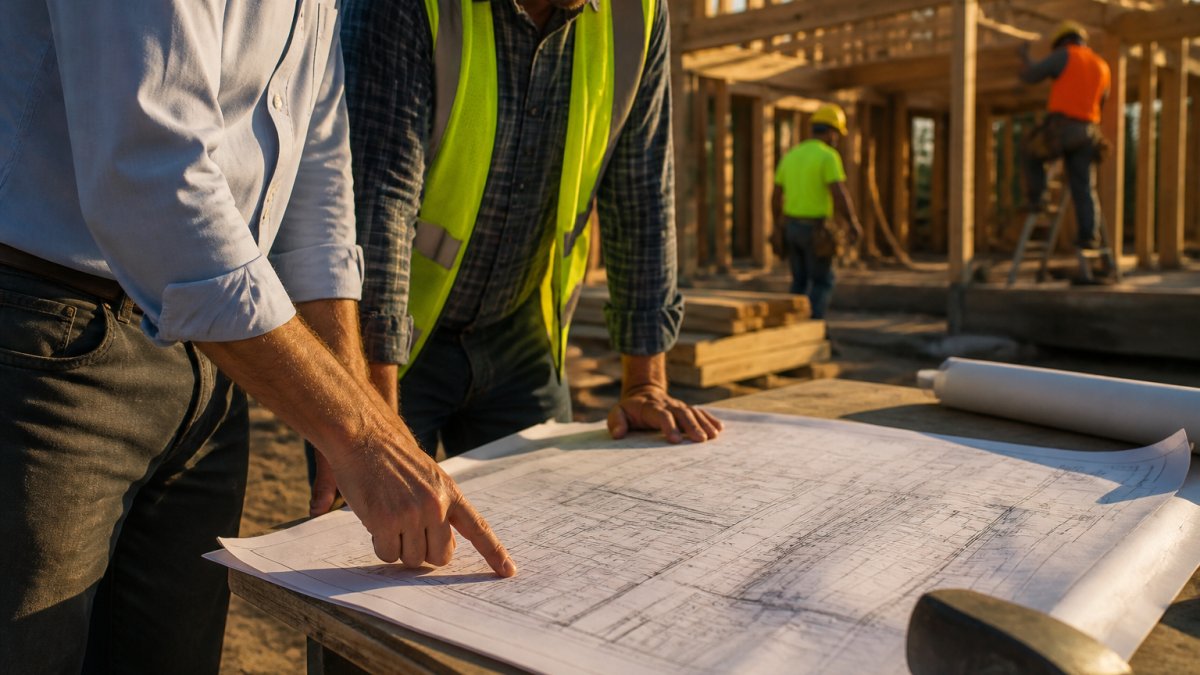
The project timeline is the skeleton of construction. Every decision, every material delivery, every trade arrival depends on it. Here's how a general contractor manages this critical element.
Preconstruction Phase
Before construction begins, the general contractor develops the project plan. This phase includes:
- Meeting with you and your designer to understand the vision and requirements
- Reviewing all plans and specifications in detail
- Identifying potential conflicts or challenges
- Obtaining permits and scheduling initial inspections
- Ordering long-lead items that take weeks to arrive
- Finalizing subcontractor agreements and schedules
- Planning site logistics and safety protocols
This groundwork prevents surprises later. A contractor who skips preconstruction planning often ends up rushing, making mistakes, and exceeding budget. Master Builder llc. invests time upfront to ensure everything is coordinated before work begins.
The preconstruction phase typically takes 4-8 weeks, depending on project complexity. Rushing this phase is false economy, it costs far more to fix problems during construction than to prevent them during planning.
Active Construction Phase
Once construction starts, the general contractor manages daily operations. This includes:
- Directing the work and ensuring quality standards
- Monitoring the schedule and adjusting as needed
- Coordinating subcontractor arrivals and departures
- Ordering materials and managing deliveries
- Conducting daily safety briefings and site inspections
- Documenting progress with photos and reports
- Communicating with you about status and any issues
- Managing budget and tracking expenses
- Scheduling and coordinating inspections
The general contractor is on site regularly, often daily, to catch issues early. A small framing error caught on day two is a quick fix. That same error discovered after drywall is installed costs thousands to correct.
Project Closeout and Punch List
As construction nears completion, the general contractor transitions to closeout. This phase includes:
- Conducting a thorough final inspection with you and the designer
- Creating a punch list of any remaining items or corrections
- Ensuring all subcontractors complete their work to specification
- Scheduling final inspections with building officials
- Obtaining certificates of occupancy or completion
- Collecting warranties and manuals
- Cleaning the site and removing debris
- Processing final payments to subcontractors
- Addressing any post-completion issues
The punch list is critical. It documents everything that needs attention before you accept the project. A professional contractor takes this seriously, items on the punch list get completed before final payment.
General Contractor Cost and Fees
Understanding how contractors price their work helps you evaluate quotes fairly and avoid surprises.
How Pricing Is Structured
General contractors typically price projects using one of three methods:
Fixed Price (Lump Sum): You agree on a total price for the entire project. The contractor assumes the risk of cost overruns. This is common for well-defined projects with clear scope.
Cost-Plus: The contractor charges you for actual costs (labor, materials, subcontractors, permits) plus a percentage markup for overhead and profit.
Time and Materials: You pay hourly rates for labor plus material costs. This is less common for larger projects but may be used for smaller renovations or repairs.
Most residential and light commercial projects use fixed-price contracts, which provides budget certainty. However, fixed pricing requires a detailed scope. Vague or incomplete scope documents often lead to disputes about what's included.
When comparing contractor quotes, ensure you're comparing the same scope. A lower quote might simply exclude items that higher quotes include. Ask each contractor to specify exactly what's covered.
Change Orders and Budget Protection
Even with careful planning, changes happen. You might want to upgrade materials, add a feature, or discover an unexpected condition during construction. These changes require change orders.
A change order documents the scope change, the cost impact, and the timeline impact. A professional contractor provides written change orders before proceeding with the work. This protects both you and the contractor by creating a clear record of what changed and why.
The best contracts include a contingency allowance, typically 5-10% of the project cost, for unforeseen conditions. This provides a buffer without giving the contractor a blank check. Any contingency funds not used are returned to you.
Protect yourself by:
- Requiring written change orders before work begins
- Understanding the cost and schedule impact of each change
- Approving changes in writing before proceeding
- Tracking all changes and their costs
- Confirming final costs before project completion
General Contractor Hiring Red Flags
Not all contractors deliver quality work on time and on budget. Watch for these warning signs when evaluating candidates:
No Written Contract: A contractor unwilling to provide a detailed written contract is a major red flag. Everything should be documented, scope, schedule, pricing, payment terms, and warranty.
Vague Scope: If the contractor can't clearly articulate what's included and what isn't, you'll face disputes later. Detailed scope prevents misunderstandings.
Unrealistic Timeline: A contractor promising an impossibly fast completion is either inexperienced or planning to cut corners.
Unwilling to Provide References: Ask for references from recent projects similar to yours. Call them. Ask about budget adherence, schedule performance, communication, and quality.
No Insurance or Licensing: Verify the contractor is properly licensed and carries liability insurance and workers' compensation.
Pressure to Pay Upfront: Legitimate contractors don't demand large upfront payments. Typical payment schedules tie payments to project milestones.
Poor Communication: If a contractor is hard to reach or vague in responses during the sales process, that's how they'll communicate during the project.
The role of a general contractor is complex and demanding. You're trusting this person to manage a significant investment and deliver quality work. Take time to hire the right contractor. The difference between a good contractor and a poor one isn't measured in days or dollars, it's measured in stress, satisfaction, and the quality of your finished project.
Choosing the right general contractor determines whether your project runs smoothly or becomes a source of frustration. Master Builder llc. brings expertise in residential and light commercial construction, end-to-end project management, and the ability to work efficiently on occupied job sites.
Frequently Asked Questions
What is the difference between a general contractor and a subcontractor?
A general contractor oversees the entire construction project, manages budgets, hires and coordinates subcontractors, obtains permits, and ensures quality and schedule adherence. Subcontractors are specialists hired by the GC to perform specific trades, electrical, plumbing, roofing, framing, on portions of the project. The GC holds the primary contract with the client and bears overall responsibility; subcontractors answer to the GC and focus on their trade only.
Does a general contractor manage permits and inspections?
Yes. A general contractor obtains all required building permits, coordinates with local building departments, and schedules inspections at each construction phase. The GC ensures the project complies with building codes and local regulations, communicates inspection results to the client and design team, and makes corrections if inspections reveal issues. This is a core responsibility that protects the homeowner or business owner from code violations and delays.
What are some red flags when hiring a general contractor?
Watch for contractors who lack proper licensing and insurance, provide vague or verbal estimates instead of detailed written contracts, avoid discussing project schedules or change order procedures, refuse to provide references, pressure you to pay large upfront deposits, or guarantee fixed prices without a detailed scope. Also be cautious of contractors who promise unrealistically fast timelines, cannot explain how they'll coordinate trades, or do not address how they'll communicate project progress with you.
How does a general contractor manage quality and workmanship?
A general contractor maintains quality through regular site supervision, inspections at key construction phases, clear communication of workmanship standards to subcontractors, and a punch list process before project completion. The GC ensures materials meet specifications, work follows building codes and contract requirements, and issues are corrected before final payment. Quality oversight protects your investment and ensures the finished project meets your expectations.