
 how-to
Handle a General Contractor Who Disappears: A Step-by-Step Guide
Table of Contents
- Recognize the Signs a General Contractor Has Abandoned the Project
- Document Everything Before Taking Action
- Send a Contractor Demand Letter Template
- How to Terminate a Construction Contract Legally
- Protecting Your Property When a Contractor Abandoned Project
- Hiring a Replacement Contractor After Abandonment
- Preventing Contractor Disappearance on Your Next Project
- Frequently Asked Questions
Last Updated: October 13, 2026
Recognize the Signs a General Contractor Has Abandoned the Project
A general contractor disappears when communication stops, work halts, and the contractor becomes unreachable for days or weeks.
The first sign is silence. Calls and texts go unanswered, weeks pass with no timeline or budget updates, work simply stops, subcontractors don't show because they haven't been paid or scheduled, and materials sit unused on site.
Watch for these specific warning signs:
- No communication for more than one week with no explanation
- Subcontractors and suppliers report they haven't been paid
- Work stops mid-project with no clear reason
- The contractor misses scheduled inspections or permit deadlines
- Your calls and emails receive no response for days at a time
- The contractor's office phone disconnects or mailbox is full
- Workers don't show up and can't explain why
- The project schedule slips without any updates from the GC
Document every missed deadline and failed contact attempt, dates, times, and what you tried. Photograph unfinished work, damage, and safety hazards. This becomes critical evidence if you pursue legal action or file a claim.
Document Everything Before Taking Action
Before contacting a lawyer or filing a complaint, gather solid proof of abandonment.
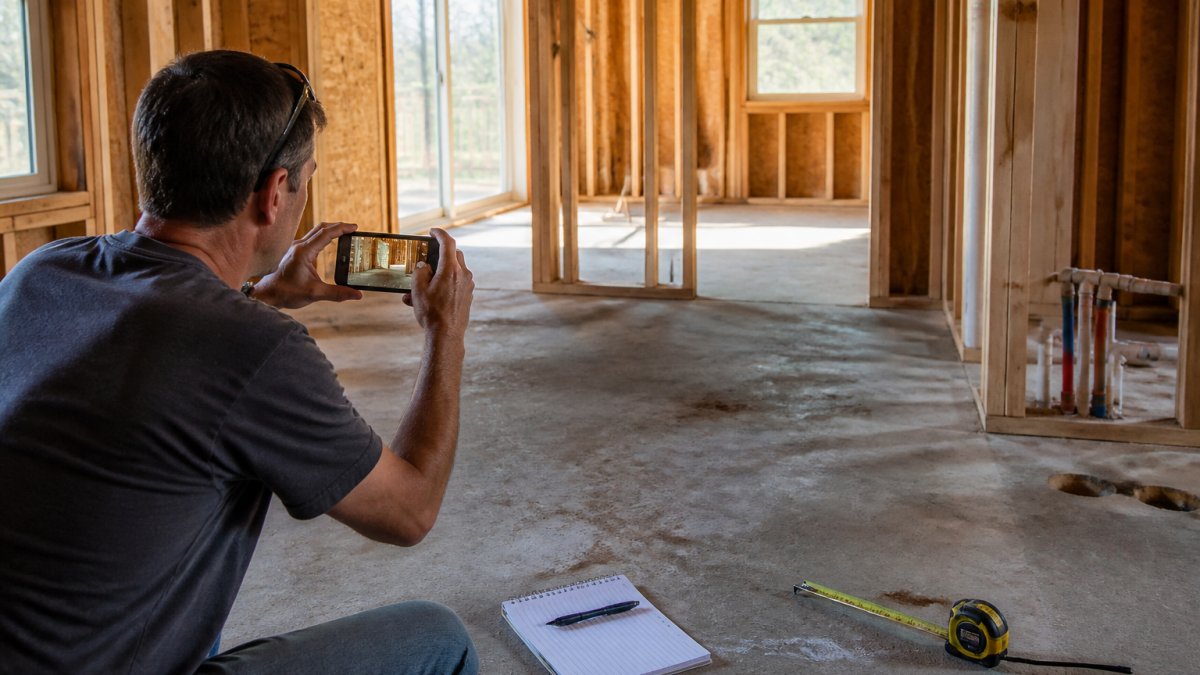
Create a detailed project record that includes:
- Written communication: Save every email, text, and message from the contractor
- Photographs: Take clear photos of the job site showing incomplete work, damage, or safety issues
- Dates and times: Log every attempt to contact the contractor with the date, method, and response (or lack of response)
- Contracts and invoices: Keep copies of the original contract, all change orders, and payment records
- Witness statements: Get written accounts from subcontractors, suppliers, or neighbors who can confirm the contractor's absence
- Project schedule: Keep the original timeline and any updates showing missed deadlines
- Permit records: Document which permits are pending and which inspections have been missed
This file becomes your evidence, giving you a complete record of what happened and when for your licensing board complaint or legal action.
Send a Contractor Demand Letter Template
Send the letter via certified mail with return receipt requested. This proves the contractor received it. Keep a copy for your records.
Contractor Demand Letter Template
[Your Name]
[Your Address]
[Your Phone Number]
[Your Email]
[Date]
[Contractor Name]
[Contractor Address]
RE: Demand for Performance on Construction Contract dated [Contract Date]
Dear [Contractor Name]:
I am writing to formally demand that you resume work on the construction project located at [Project Address] and fulfill your obligations under our contract dated [Contract Date].
As of [Today's Date], work on this project has stopped without explanation or authorization. You have not responded to my communications since [Date of Last Contact]. Specifically:
- No work has been performed since [Date]
- Subcontractors report they have not been paid for work completed
- The project schedule has been missed by [number] days
- [List any specific damage, safety hazards, or unfinished critical work]
Under the terms of our contract, you are required to [state specific obligations from the contract]. Your failure to perform constitutes a material breach of contract.
I demand that you:
- Resume all work on this project by [specific date, typically 7-10 days from letter date]
- Provide a written explanation for the work stoppage
- Submit a revised project schedule showing completion date
- Arrange payment to subcontractors and suppliers immediately
If you do not comply with this demand by [date], I will pursue all available legal remedies, including:
- Filing a complaint with the [State] Licensing Board
- Pursuing a mechanic's lien claim
- Hiring a replacement contractor and charging all additional costs to you
- Legal action to recover damages and attorney fees
Please respond to this letter within [5-7] business days.
Sincerely,
[Your Signature]
[Your Typed Name]
Send it via certified mail and keep proof of delivery.
How to Terminate a Construction Contract Legally
When a general contractor disappears and ignores your demand letter, you may terminate the contract, but you must follow your contract's process and state law.
Most contracts allow termination for material breach, and abandonment qualifies. The exact process varies by state and contract language.
Steps to terminate a construction contract:
-
Review your contract carefully. Look for the termination clause. It should specify how much notice you must give and what steps you must follow.
-
Send a formal termination notice. Use certified mail with return receipt. State the specific reasons for termination and the effective date (typically 10-14 days from the letter date).
-
Document the reason. Your letter should reference the material breach (abandonment), the demand letter you already sent, and the contractor's failure to respond or resume work.
-
Secure the job site. Take photos and video of the site condition. Make the site safe by securing any openings and protecting materials from weather.
-
Notify subcontractors and suppliers. Let them know the contract has been terminated and you're hiring a replacement contractor. This prevents further work and billing from parties who may not know the GC is gone.
-
Preserve evidence. Keep all communications, photographs, and records. You may need them if the former contractor disputes the termination or files a lien.
The contractor may argue termination was improper. State rules differ, some require a set number of days' notice, others allow immediate termination for abandonment.
Protecting Your Property When a Contractor Abandoned Project
A general contractor who disappears leaves your property exposed to weather, theft, and liability. Secure the site immediately to prevent further damage and protect yourself if someone is injured.
Immediate safety and security steps:
- Board up any openings to protect from weather and intrusion
- Secure materials and tools to prevent theft
- Remove hazards like exposed nails, holes, or unstable structures
- Post "No Trespassing" signs if the site is unoccupied
- Install temporary fencing or barriers if the site is accessible to the public
- Drain standing water to prevent mosquito breeding and mold
- Cover HVAC systems and open ductwork to prevent contamination
- Photograph the site condition for insurance and legal purposes
Contact your property insurer immediately, report the abandonment, and ask about coverage for:
- Damage caused by weather exposure
- Theft of materials or equipment
- Liability if someone is injured on the site
- Coverage for hiring a replacement contractor
Some policies cover contractor abandonment, others don't. Knowing your coverage helps you plan next steps.
If you have a construction loan or mortgage, notify your lender immediately. Many lenders have requirements about project completion and contractor performance.
Hiring a Replacement Contractor After Abandonment
After terminating the abandoned contract, hire a replacement to finish the work.
What to look for in a replacement contractor:
- Licensed and insured in your state
- Bonded for the contract amount
- References from recent similar projects
- Written estimate that breaks down labor, materials, and timeline
- Willingness to complete work started by another contractor
- Clear communication and responsiveness
- Experience handling projects with existing damage or complications
Get at least three bids and compare scope, timeline, and price.
Interview each about their experience with abandoned projects: how they assess poor workmanship, coordinate with existing subcontractors, and handle budget changes.
Include these protections in the new contract:
- Detailed scope of work describing what the previous contractor left incomplete
- A specific timeline with milestone dates and penalties for delays
- A holdback clause requiring you to retain 10-15% of payment until final inspection
- A warranty on workmanship for at least one year
- Clear change order procedures so cost increases are approved in writing before work begins
- A performance bond to protect you if this contractor also abandons the project
The replacement will likely charge more than the original bid because they're inheriting problems and uncertainty.
Preventing Contractor Disappearance on Your Next Project
The best strategy is preventing abandonment before it happens through careful contractor selection and contract management.
Before hiring any contractor:
- Check licensing and insurance thoroughly. Verify directly with your state's licensing board, not just the contractor's word.
- Call references and ask specifically about reliability, communication, and whether the contractor completed projects on time and on budget.
- Research complaints with the Better Business Bureau and your state's attorney general office.
- Ask the contractor for a list of current projects and call those clients to ask about their experience.
- Verify bonding. A bonded contractor has financial backing if they fail to perform.
Structure your contract to prevent problems:
- Include clear payment schedules tied to completion milestones, not just percentage of work done. Never pay the full amount upfront.
- Require proof of payment to subcontractors and suppliers before you pay the contractor. This prevents liens and ensures work is actually being completed.
- Include a detailed project schedule with specific completion dates for each phase.
- Define what happens if the contractor misses deadlines or abandons the project.
- Require the contractor to maintain insurance and bonding throughout the project.
- Use a construction attorney to review the contract before signing.
Manage the project actively:
- Conduct regular site inspections. Visit at least weekly to verify work is progressing.
- Keep written records of every communication and site visit.
- Address problems immediately. Don't wait for small issues to become big ones.
- Maintain a payment holdback until the project is complete and inspected.
- Get final lien waivers from all subcontractors and suppliers before making the final payment.
The Bottom Line
A general contractor who disappears creates immediate problems: unfinished work, unpaid subcontractors, exposed property, and financial loss. But you have legal tools: document the abandonment, send a formal demand letter, terminate the contract legally, secure your property, and hire a replacement.
Master Builder llc. builds projects on reliability and communication. We understand that abandonment is a homeowner's and business owner's worst fear, which is why we prioritize transparent communication, regular updates, and consistent on-site presence. Book Online to discuss your project with a contractor who stays.
Frequently Asked Questions
What should I do if my general contractor stops responding?
First, give the contractor 5-7 business days to respond if they haven't contacted you. Document all missed appointments and unanswered calls or emails. If no response, send a written demand letter citing the contract terms and stating a deadline (typically 10 days) to resume work or explain the delay. Keep copies of all communications. If the contractor still doesn't respond or resume work, consult a construction attorney about terminating the contract and exploring legal remedies.
Can I hire another contractor if my current contractor abandons the project?
Yes, but only after you've formally terminated the contract. Review your original contract for termination clauses and notice requirements. Send written notice of termination, referencing the contractor's abandonment. Once terminated, you can hire a replacement contractor. Ensure the new contractor conducts a site inspection and understands what work remains. You may be entitled to recover costs for delays or rework if the original contractor breached the contract, though recovery often requires legal action.
How do I know when to contact a construction attorney about an unresponsive contractor?
Contact an attorney if the contractor has been unresponsive for more than two weeks, work has stopped for that period, or you've sent a demand letter with no response within the stated deadline. Also seek legal advice if significant money is at stake, the contractor is refusing to explain the delay, or you need to understand your rights regarding contract termination and damage recovery. An attorney can review your contract, advise on termination, and help you recover costs.
What should I include in a written notice to a contractor who has stopped work?
Include the date of the notice, a clear description of the work that has stopped, specific dates when the contractor last worked or communicated, reference to the original contract and project scope, a statement that work has not progressed as scheduled, a deadline for the contractor to resume work or provide written explanation (typically 10 days), and notification that failure to comply may result in contract termination. Send the notice via certified mail and email so you have proof of delivery. Keep copies for your records.